
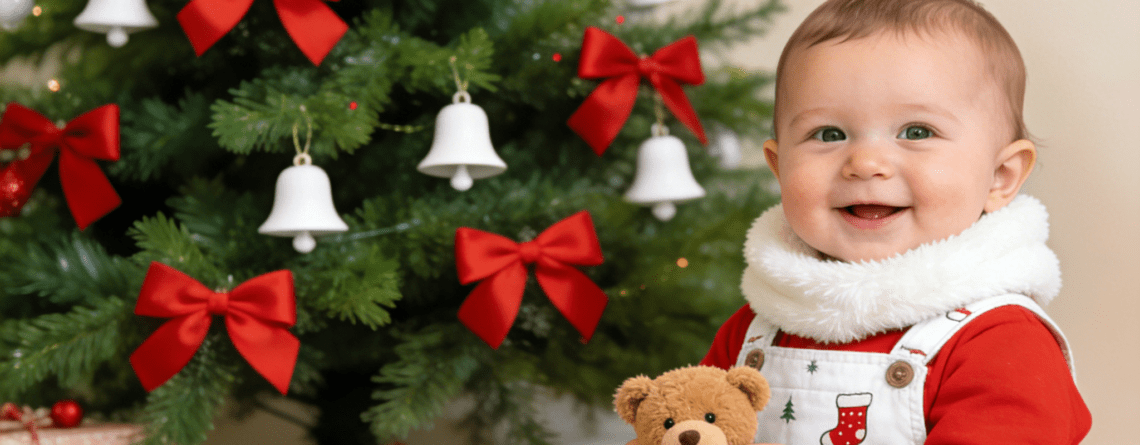
Tiny mittens, a rumpled Santa hat, and a pair of socks that are somehow already missing their mate – few things announce the arrival of the holiday season like a baby dressed for Christmas. Choosing the right outfit for an infant blends the charm of tradition with practical concerns: warmth, safety, ease of changing, and the inevitable photo prospect. Whether you’re aiming for a classic red-and-white ensemble, a cozy knit romper, or a minimalist neutral look, the clothes you pick create the first holiday memories for both baby and family.
This article explores the world of baby Christmas outfits from several angles: style inspiration across age ranges, fabric and fit considerations, tips for safe and comfortable dressing, and ideas for coordinating looks for photos and gatherings. You’ll find suggestions for budget-amiable options, heirloom-worthy pieces, and ways to balance festive flair with everyday practicality.
By focusing on comfort, safety, and simple aesthetic choices, it’s possible to dress your little one in a way that captures the season without fuss. Read on for smart, creative ideas to make the outfit part of the festivity – not the stress.
Table of Contents
- Cozy Fabrics and Safe Fits: Breathable Materials, Snug Sleepwear, and Layering Tips for Cold Weather
- Festive Styles with Practicality: Machine Washable, Stain-Resistant Designs and When to Choose Durable Over Delicate
- Size and Growth Guidance: How to Pick Sizes for Comfort, Mobility, and Future Wear
- Accessorizing Without Risk: Soft Hats, Non-Slip Booties, and Secure Fastenings to Avoid Choking Hazards
- DIY Touches and Gift Picks: Handmade Rompers, Personalized Onesies, and Top-Recommended Brands for New Parents
- Q&A
- The Conclusion
Cozy Fabrics and Safe Fits: Breathable Materials, Snug Sleepwear, and Layering Tips for Cold Weather
Soft, breathable fibers are the secret to keeping tiny ones cozy without overheating. Choose fabrics like organic cotton, bamboo blend, or superfine merino that wick moisture and let skin breathe; aim for garments with flat seams, gentle cuffs, and covered zippers so nothing rubs or catches on delicate skin. For safety, pick pieces that fit snugly rather than baggy sleepwear for infants, which should be close-to-body to reduce the risk of loose fabric, but avoid anything tight enough to leave marks. Keep decorative items minimal: skip loose bows, large buttons or sequins, and prefer embroidered details or securely sewn-on appliqués.
Think in layers rather than one heavy outfit: a thin moisture-wicking base, a warm mid-layer, and a soft outer layer for strolls or photos. Simple rules to follow:
- Base: thin, breathable onesie or long johns.
- Mid: fleece or knit romper for warmth without bulk.
- Outer: a lightweight, insulated bunting or blanket for outdoors.
| Fabric | Warmth | Best for |
|---|---|---|
| Organic cotton | Light | Everyday wear & indoor naps |
| Bamboo blend | Moderate | Sensitive skin, moisture control |
| Merino wool | High | Outdoor walks & chilly photo sessions |
Also consider a properly rated wearable blanket for sleep instead of extra layers in the crib , and always test temperature by feeling the nape of the neck. Warm and slightly damp means remove a layer; cool means add one.

Festive Styles with Practicality: Machine Washable, Stain-Resistant Designs and When to Choose Durable Over Delicate
When dressing a little one for holiday cheer, practicality can be just as festive as sequins. Opt for soft cotton-blend or jersey bases with polyester-enhanced finishes for easy care , and natural stretch fabrics resist pilling and keep colors bright after dozens of washes. Look for reinforced seams, snap or zip closures that open fully for quick diaper changes, and hidden bib or overlay panels that catch spills. A few smart details can make a special outfit survive cookie crumbs and cocoa:
- Machine-friendly fabrics (cold wash, low tumble)
- Stain-resistant finishes or removable bibs and overlays
- Accessible closures – side zips or snaps for fast changes
- Reinforced wear zones on knees and cuffs
- Convertible pieces (detachable bows, removable tutus) for dual function
Choose durability over delicate details when the day will include active play, travel between relatives, or lots of photo ops with messy props; choose delicate when the outfit is meant as a keepsake or for a calm portrait session. The quick table below helps decide at a glance which direction to take for the occasion:
| Occasion | Recommendation | Why |
|---|---|---|
| Family dinner with toddlers | Durable | Easy care, fewer repairs between courses |
| Holiday portraits | Delicate | Intricate details photograph beautifully, but handle gently |
| Christmas morning play | Durable | Withstands unwrapping, crawling, and snack time |
Size and Growth Guidance: How to pick Sizes for Comfort, Mobility, and Future Wear
When picking a festive outfit for a little one, think like a parent and a stylist at once: prioritize breathable fabrics, gentle stretch, and room for movement. Choose one size up if the outfit has structured elements like collars, buttons, or heavy embroidery-this gives space for squirming toes and hungry bellies without ruining the silhouette. For rompers and onesies, a snug-but-not-tight fit around the chest and a little extra length in the torso keep diapers comfortable and crawling effortless. Remember that layered looks (a soft undersuit plus a Christmas dress or sweater) allow you to go trimmer in the top layer and still accommodate growth.
Use quick checks before you buy or tie the tag on a present:
- Mobility test: arms should lift freely, and legs should bend without fabric pulling.
- Diaper access: snaps or zippers should be reachable without struggling.
- Season buffer: add one size for babies under 12 months to account for rapid growth.
Below is a simple guideline to match age, size, and a safe growth allowance; tweak if your baby is especially petite or tall.
| Age | Typical Size | Buy This Size |
|---|---|---|
| 0-3 months | Newborn / 0-3M | 0-3M to 3-6M (choose 3-6M if growth is a concern) |
| 3-6 months | 3-6M | 3-6M or 6-9M for layering |
| 6-12 months | 6-12M | 6-12M; often safe to size up to 12-18M |
Accessorizing Without Risk: Soft Hats, Non-Slip Booties, and Secure Fastenings to Avoid Choking Hazards
Wrap your little one in holiday charm without the worry: choose soft, breathable hats made from organic cotton or bamboo blends that cushion tiny heads and resist irritation. Skip glued-on sequins, beads, or tiny pom-poms that can loosen with tugging; rather, opt for embroidered motifs or sewn-on fabric appliqués that stay put. Keep brim widths gentle and avoid stiff wires or heavy trims – the goal is cozy silhouette, not a choking risk. For added peace of mind, look for hats labeled “no small parts” or with safety-tested certifications.
Feet deserve festive flair too: pick non-slip booties with soft, flexible soles and silicone grips to help little ones find traction on hardwood. Favor secure fastenings like short velcro tabs, magnetic snaps designed for kids, or covered zippers with fabric guards, and avoid long drawstrings, loose toggles, or decorative buttons that could detach. Below is a quick cheat-sheet to match common risky pieces with safe, stylish alternatives:
- Replace dangling ribbons with elasticized necklines or gentle collars.
- Choose one-piece outfits with concealed snaps rather than separate tiny accessories.
- Inspect seams and trims after washing-softness should never come at the cost of secure stitching.
| Accessory | Safe alternative | Why it’s safer |
|---|---|---|
| Pom-poms | Embroidery | No loose parts to detach |
| long ties | Elasticized or short Velcro tabs | Reduces strangulation/choking risk |
| Hard buttons | Covered snaps or printed buttons | prevents button detachment |
DIY Touches and Gift Picks: Handmade Rompers, Personalized Onesies , and Top-Recommended Brands for New Parents
Swap store-bought clichés for lovingly stitched keepsakes by adding simple DIY touches to holiday babywear. A tiny romper becomes a showstopper with a few easy additions: hand-stitched felt antlers, a soft embroidered name on the chest, or a detachable bow tie that snaps on for photos and off for naps. Focus on breathable, washable fabrics (organic cotton or bamboo blends) and use flat, secure embellishments to keep everything baby-safe. Quick project ideas to try at home:
- Appliqué reindeer - felt pieces sewn around the pocket for instant charm
- Personalized onesie – heat-transfer name or milestone date for a keepsake
- Convertible romper – add hidden snaps to adapt from outfit to sleepwear
For gift shopping, balance handcrafted options with trusted labels that make parents’ lives easier. Consider a handmade romper paired with a matching swaddle, or a personalized onesie tucked into a holiday gift box. Below is a compact guide to reliable brands that deliver cozy holiday looks without sacrificing practicality.
| Brand | Why Parents Love It |
|---|---|
| Burt’s Bees Baby | Soft organic fabrics, great basics |
| Hanna andersson | Durable prints that withstand washing |
| Carter’s | Budget-friendly sets and holiday kits |
| Mini Boden | Playful patterns and cheerful colors |
Q&A
Q: What are the most significant things to consider when choosing a baby Christmas outfit?
A: Prioritize comfort and safety first, then style. Look for soft, breathable fabrics (like cotton or cotton blends), a good fit that allows movement, and minimal small decorations that could be choking hazards. Consider the climate and whether you’ll need layers for warmth or thinner pieces for heated indoor events.
Q: Newborns are so tiny – how do I pick the right size?
A: Choose a size that allows growth room - many parents select the next size up to accommodate growth spurts and layering. Check garment measurements where possible (sleeve and length), and consider adjustable features like expandable necklines or snap closures for easier dressing and diaper changes.
Q: Are there any safety features or labels I should look for?
A: Look for well-constructed seams, securely attached buttons and decorations, and flame-resistant labeling for sleepwear if applicable. Avoid long ties, loose ribbons, or detachable pieces. When in doubt, follow current safety guidelines from reputable organizations like the U.S. Consumer Product Safety Commission (CPSC).
Q: What fabrics are best for holiday outfits?
A: Soft, breathable fabrics such as cotton, organic cotton, bamboo blends, and fine knits are excellent choices. For special-occasion looks, blends with a bit of stretch can add comfort. Avoid very rough or heavily synthetic materials that can irritate delicate skin.
Q: How can I keep my baby warm without overheating?
A: Use layers: a lightweight base layer, a warmer mid-layer (like a fleece or knit), and a coat or blanket for outdoor use. Indoors, remove outer layers if the room is warm. Monitor the baby’s neck or chest for sweat rather than relying solely on hands or feet to judge temperature.
Q: Are romper suits or two-piece sets better for babies?
A: Both have advantages. Rompers are convenient for one-piece dressing and can be easier to keep neat for photos, while two-piece sets make diaper changes simpler. Consider the event, how often you’ll need to change diapers, and your personal preference for photos versus practicality.
Q: What are some creative but simple outfit themes?
A: Classic red-and-green; neutral woodland (foxes, reindeer, owls); vintage-inspired knits; winter whites with metallic accents; Santa or elf motifs in subtle designs; sweater dress with tights or knit pants. Choose one focal element (a patterned piece or an accessory) and keep the rest understated for a cohesive look.
Q: How do I coordinate family outfits without being too matchy-matchy?
A: Choose a shared color palette or a unifying pattern (plaid, cream, jewel tones) and let each family member interpret it differently - a dress, a sweater, or an accessory. Balance textures (knit, denim, velvet) rather than exact matches for a cohesive but modern look.
Q: What about accessories – hats, headbands, shoes?
A: Accessories can enhance photos, but keep safety and comfort in mind. Soft, well-fitting hats are fine when supervised, but remove hats and loose headbands during naps and sleep. Avoid small, detachable embellishments on accessories that could come loose. Soft moccasins or booties are great for photos but not for walking practice.
Q: Should I wash new outfits before the first wear?
A: Yes. Washing removes manufacturing residues and fragrances and can soften fabrics. Use a gentle,baby-friendly detergent and do a quick inspection for loose threads or decorations after washing.
Q: Any tips for photographing babies in holiday outfits?
A: Choose natural, diffused light and keep sessions short. Use simple backgrounds and a few comfy props (a soft blanket, a holiday stocking) that are safe and non-restrictive. Photograph the baby at’s happiest time of day, and capture candid moments as well as posed shots.
Q: Can I DIY a festive outfit? Any safety caveats?
A: Simple DIY ideas like adding embroidered names, attaching sewn-on felt accents, or making a reversible bib are great. Avoid glued-on decorations, small loose items, and anything with sharp edges. Sewed or embroidered embellishments are safest.
Q: How do I handle outfits for Santa photos or crowded events?
A: Dress the baby in a comfortable base layer and bring a change of clothes. Keep introductions to Santa short and gentle; some babies are overwhelmed by strangers and lights. Have a familiar toy or parent close by for reassurance.
Q: What are budget-friendly ways to get a cute Christmas look?
A: Mix and match basics you already own with one festive piece, borrow from friends or family, shop thrift or consignment for gently used holiday outfits, or rent a special outfit. Accessories like a festive bib or headband can elevate a simple ensemble at low cost.
Q: Are there gender-neutral options for baby Christmas outfits?
A: Yes – neutral color palettes (cream, gray, navy, forest green), classic patterns (stripes, plaids, fair isle), and themes like woodland animals or stars work well. Focus on texture and layering rather than traditionally gendered motifs if you prefer a neutral look.
Q: How do I care for and store a sentimental outfit after the holidays?
A: Clean the outfit according to its care label, repair any loose stitching, and store it in an acid-free box or garment bag in a cool, dry place. Consider adding a breathable tissue paper layer and a note with the baby’s size and date for future reference.
Q: Is it OK to buy secondhand or vintage holiday outfits?
A: Yes, buying secondhand is sustainable and can yield unique finds. Inspect for stains, odors, loose buttons, and wear. Wash the garment before use and ensure any vintage fasteners or trims are secure and safe for a baby.
Q: What’s the best way to handle outfit changes during a holiday gathering?
A: Prepare a diaper bag or kit with a full change of clothes, extra mittens or socks, wipes, and a small blanket. If the event is long, plan for at least one outfit change in case of spills or blowouts. Choose outfits with easy closures for quick changes.
Q: Any advice for balancing fashion with sensory-sensitive babies?
A: Opt for soft, seamless, tagless garments and minimal layers. Avoid scratchy knits, tight waistbands, or stiff collars. Let the baby try on items in advance to gauge comfort, and have a familiar comfort item nearby during photos or events.
Q: How far in advance should I buy or decide on an outfit?
A: Buying 3-6 weeks in advance gives you time for exchanges, alterations, and washing. For handmade or custom pieces, order earlier – 6-12 weeks – to allow for production and potential delays.
Q: Any cultural considerations to keep in mind?
A: Holiday aesthetics vary across families and cultures. Check in with relatives about traditions, modesty preferences, or symbolic colors and motifs to ensure outfits are respectful and appropriate for shared events.
Q: What if my baby hates their outfit at the moment I want photos?
A: Keep the situation low-pressure: offer a favorite toy, sing or distract with sounds, and take candid shots rather than forcing a posed picture. Often, a few minutes of comfort or a quick outfit swap can change the mood.
Q: How can I make an outfit last through multiple children or seasons?
A: Choose classic styles in neutral colors, durable fabrics, and well-constructed garments. Avoid overly trendy elements that date the piece. Proper cleaning and storage after use can preserve the condition of siblings or keepsakes.
The Conclusion
Whether you’re dressing a newborn for their first Christmas or picking out a coordinated look for the whole family, the best baby Christmas outfit balances charm with common sense. Soft, breathable fabrics, appropriate sizing, and secure closures matter as much as the holiday prints and tiny accessories. Practical details - easy diaper changes, machine washability, and safe trim – keep the season merry without the fuss.
If you’re leaning toward handmade or store-bought, remember that an outfit can be both a festive statement and a functional piece of baby gear. Layering lets you adapt to naps, car rides, and photo sessions; simple embellishments can make a holiday outfit feel special without sacrificing comfort or safety.
Above all, let the outfit serve the moment: a cozy romper for quiet mornings, a themed set for holiday portraits, or a soft sleeper for the long night between celebrations. The most enduring memories are less about the fabric and more about the small, bright moments the clothes help hold – captured smiles, sleepy yawns, and the gentle warmth of a family gathered together. Choose what works for you, and let the season unfold.




Leave a Reply