
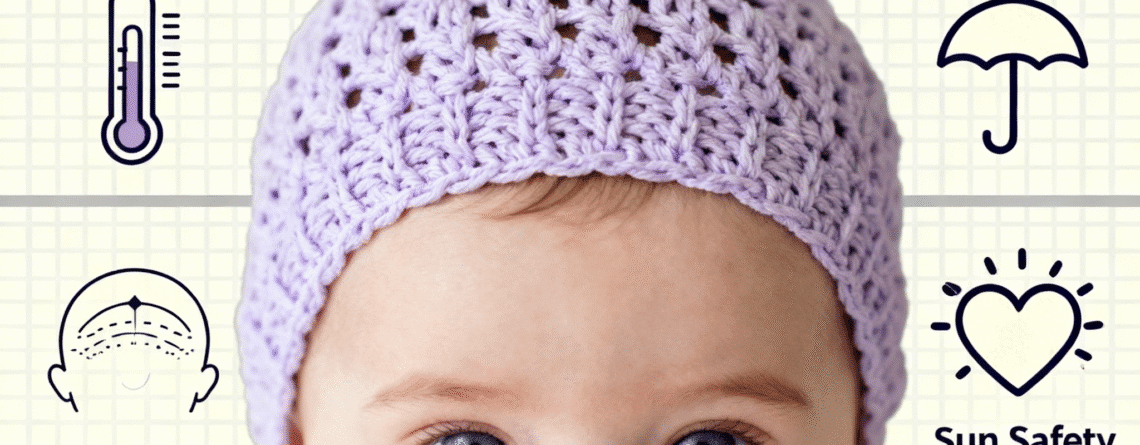
A soft knot beneath a newborn’s chin, a ruffle that frames a yawning face – the baby bonnet is a small garment that somehow carries a lot of meaning. Seen in sepia portraits and boutique window displays alike, it can read as practical armor, nostalgic ornament, or a symbol of cultural custom. The bonnet’s diminutive size belies a complex history of function and fashion that has evolved alongside changing ideas about childhood, health, and taste.
This article sets out to answer a deceptively simple question: what is the point of a baby bonnet? We will look beyond the sweet aesthetics to the practical origins of the piece – from warmth and sun protection to hygiene and identity – and trace how those purposes have shifted over time. Along the way, we’ll consider safety concerns, contemporary uses, and why the bonnet persists as both a utilitarian item and a quiet emblem of early life.
Table of Contents
- Tiny caps, big purpose: Why baby bonnets matter beyond the nursery
- How bonnets protect newborns from sun, chill, and sensory overload
- choosing the right bonnet fabric for the season, skin sensitivity, and breathability
- Sizing, fit, and fastening recommendations to keep your baby safe and comfortable
- Laundering, care, and the right time to transition away from a bonnet
- Q&A
- The Way Forward
Tiny caps, big purpose: Why baby bonnets matter beyond the nursery

More than just a cute accessory, a bonnet is functional first: it helps regulate a newborn’s fragile body temperature, shields sensitive skin from sun and drafts, and keeps tiny ears and the back of the neck cozy during naps and stroller rides. The little rim and snug fit create a gentle microclimate, especially useful in drafty rooms or outdoors on crisp days-while breathable fabrics can prevent overheating. For newborns with delicate scalp areas or healing spots, a soft bonnet can act as a protective layer without fuss.
- Warmth: retains heat at the crown, where infants lose most body heat
- Sun & wind protection: soft shade for delicate skin
- Comfort: soothing texture reduces sensory irritation
- Practical: keeps hair and stray fibers away from the face
Beyond those practical perks, bonnets carry emotional and cultural weight: they’re often heirloom pieces, photographed keepsakes, or a parent’s subtle way of expressing care and identity. Wearing one can be reassuring for baby and parent alike-think of it as a tiny ritual that signals comfort, routine, and protection. Whether knitted by a loved one or chosen for a seasonal outing, the bonnet quietly bridges utility and sentiment, turning a simple cap into a meaningful part of early life.
| Style | Best for |
|---|---|
| Knitted bonnet | Cool-weather warmth & keepsake value |
| Cotton sun bonnet | Summer outings and breathable protection |
| Muslin cap | Everyday comfort and gentle sensory touch |
How bonnets protect newborns from sun, chill, and sensory overload
For a newborn, a tiny bonnet is more than an accessory – it’s a gentle armor. By providing a soft canopy over the crown and ears, a well-designed bonnet can shade delicate skin from harsh light, help regulate temperature around a baby’s head, and offer a subtle barrier against sudden drafts. Natural, breathable fabrics like cotton or bamboo knit keep heat from building up while still locking in enough warmth to soothe a baby whose internal thermostat is still learning its job.
These small, close-fitting caps also function as sensory filters: the snug fit and muted textures can muffle sudden noises and reduce overstimulation from busy environments, helping infants drift toward calm. Typical benefits include:
- Sun - lightweight brim or folded edge shades eyes and scalp.
- Chill – insulation around ears and neck reduces heat loss.
- Sensory overload – gentle pressure and soft fabric lowers startle responses.
- Wind – keeps hair and skin sheltered during outings.
When choosing one, favor breathable, snug-but-not-tight materials and a secure fastener that won’t irritate.
| Common issue | How a bonnet helps |
|---|---|
| Harsh sun | Shading + light fabric |
| Cool breeze | Ears covered, warmth retained |
| Loud, busy places | Soft pressure reduces startle |
Choosing the right bonnet fabric for the season, skin sensitivity, and breathability
Think of a bonnet as a tiny climate-control device for your baby’s head: the right fabric will keep little ears cozy in winter and skin cool during summer naps. Prioritize breathability to prevent overheating, and choose weight and weave depending on the season-light, airy materials for warm months and denser knits for chillier days. For babies with delicate skin, look for fabrics that are naturally hypoallergenic and free from harsh dyes or finishes, so the bonnet protects without irritating.
When deciding, consider both touch and performance. A few reliable options:
- Cotton - soft, breathable, year-round staple.
- Muslin – ultra-light, perfect for summer and layering.
- Linen – highly breathable and durable; great for hot climates.
- Bamboo – naturally hypoallergenic and moisture-wicking.
- Wool blend – warm and insulating for cold weather (choose superfine wool for sensitive skin).
| Fabric | Best for | Skin sensitivity |
|---|---|---|
| Cotton | All seasons | Generally gentle |
| Muslin | Summer, layering | Very soft |
| Bamboo | Warm to mild | Hypoallergenic |
Choosing the right bonnet fabric comes down to matching season, airflow, and your baby’s skin needs-when those three align, the bonnet does exactly what it should: comfortable protection.
Sizing, fit, and fastening recommendations to keep your baby safe and comfortable
Think of a bonnet as a soft hug for your baby’s head – it should sit gently without squeezing. Measure by placing a flexible tape a little above the eyebrows and around the widest part of the skull, then choose a size that allows about 1-2 cm (½ inch) of room so the bonnet isn’t tight but won’t slip over the eyes. Fabrics with natural stretch and a soft lining are kinder to newborn skin, and breathable materials help regulate temperature. Quick rules to remember:
- Snug, not tight: the bonnet should move slightly with head turns but not leave deep marks.
- Mind the ears and neck: check that ear openings align and the neckline doesn’t press on the throat.
- Remove during sleep: take off headwear for naps and at night to reduce any risk of obstruction.
Fastenings are where safety and convenience meet – choose options that secure the hat without creating hazards. Tiny snaps or short, soft ties that fasten under the chin are practical, but avoid long ribbons or loose toggles that can catch or dangle. When using a car seat or carrier, swap bulky bonnets for slim, close-fitting caps so straps sit correctly against the shoulders. A quick comparison:
| Fastening | When to use |
|---|---|
| Short soft ties | Gentle hold for outings; trim length |
| Small snaps | Secure, low-profile for active babies |
| No fastener (elastic edge) | Quick on/off; best for supervised wear |
Laundering, care, and the right time to transition away from a bonnet
Babies’ bonnets are tiny workhorses: they need gentle laundering and a little daily attention to keep them soft, breathable, and safe. For everyday cotton or knit bonnets, use a mild, fragrance-free detergent and a gentle cycle or hand wash; silk or delicate trim prefers hand washing in cool water. Always air-dry flat to preserve shape and elasticity, reshape damp pieces back to their original silhouette, and avoid high heat from dryers or irons , which can stiffen fabric and damage elastic. Rotate several bonnets so each one gets a breather between wears, and inspect ties, seams, and elastic regularly-replace or repair anything that’s fraying or loosening to keep safety standards high.
- Spot-treat stains with a gentle soak instead of heavy scrubbing.
- Avoid fabric softeners and dryer sheets to maintain breathability.
- Store in a breathable bag or drawer away from direct sunlight.
- Check fit weekly-no slipping and no tight red marks.
Knowing when to set the bonnet aside is as practical as laundering: if your child consistently pulls it off, develops hair that tangles under the bonnet, or shows red marks and overheating, it’s time to try something different. Movement milestones-crawling, sitting up, and standing- often signal a change in needs because a bonnet can get in the way or become a tug target. Below is a quick guide to common transition points and easy alternatives to keep little heads comfortable and protected without the bonnet.
| Age range | A common reason to stop | Suggested choice |
|---|---|---|
| 0-6 months | Still needs warm, cozy head coverage | Soft bonnet or sleep cap |
| 6-12 months | Begins pulling off or more active | Beanie with a snug fit or neck-warmer |
| 12+ months | Greater mobility & hair growth | Hat with brim, headband, or hooded outerwear |
Q&A
Q: What exactly is a baby bonnet?
A: A baby bonnet is a soft, often rounded hat that covers a baby’s head and sometimes the ears and ties under the chin. Historically made from fabrics like cotton, wool, or silk, bonnets range from practical to decorative - from simple knit caps to frilly heirloom styles.
Q: What is the point of putting a bonnet on a baby?
A: The main purposes are protection and comfort: to help keep a newborn warm, shield delicate skin and ears from wind or sun, and serve as a cozy layer in cool environments. Bonnets also have cultural and aesthetic roles – they’re used for tradition, photography, and fashion.
Q: Aren’t bonnets just a fashion accessory?
A: Partly. Many bonnets are chosen for style, family tradition, or photos. But plenty are chosen for function too – warmth in cooler weather, lightweight sun protection, or soft coverage for sensitive scalp skin after birth.
Q: Do baby bonnets help regulate a baby’s temperature?
A: They can. Newborns lose heat more quickly than adults, and a hat can reduce heat loss from the head, especially outdoors or in cold rooms. That said, indoors, you usually only need one additional lightweight layer; overheating is possible if a bonnet is too thick or if the baby is swaddled and heavily dressed.
Q: Are bonnets safe for babies?
A: Generally, yes, when used correctly. Avoid long cords or ties that could pose a strangulation risk – many parents remove ties during sleep and use elastic or snap closures instead. Ensure the bonnet fits comfortably (not too tight) and is made of breathable fabric.
Q: Should a baby wear a bonnet while sleeping?
A: It’s safer to remove any hat with ties or loose parts during unsupervised sleep. Current safe-sleep guidance emphasizes a clear, flat sleep surface without soft headgear. if you use a snug-fitting knit cap briefly in cold conditions, check pediatric guidance and never leave it in a crib unattended.
Q: What material is best for a baby bonnet?
A: Breathable, soft fabrics like cotton, muslin, bamboo blends, or lightweight merino wool are popular. For summer or sun protection, look for breathable, UPF-rated fabrics. For winter warmth, choose wool or a thicker knit, but watch for overheating.
Q: How should a bonnet fit?
A: It should sit comfortably without leaving deep marks on the forehead and shouldn’t be so loose that it slips over the eyes. There should be enough room for growth and movement, and any ties should be short and secure or replaced by safe closures.
Q: Do baby bonnets affect head shape or development?
A: A properly fitting bonnet does not shape a baby’s skull. Positional head-shaping (plagiocephaly) is related to prolonged pressure on one area of the skull. Tight hats that apply constant pressure could, in theory, contribute, so avoid overly snug or rigid headwear for long periods.
Q: When is it appropriate to use a bonnet?
A: Use a bonnet outdoors in cool or sunny weather, during short car rides, for photo sessions, or when you want gentle protection for your newborn’s scalp and ears. Indoors, assess the temperature and remove it if the baby shows signs of overheating.
Q: Are bonnets better than other baby hats?
A: It depends on need. Bonnet styles often provide ear coverage and a chin tie (or fastening) that helps keep them on, which is useful for newborns. For older infants, brimmed sun hats or beanies may be more practical. Choose based on weather and activity.
Q: How do I care for a baby bonnet?
A: Follow the manufacturer’s washing instructions: most cotton and muslin bonnets machine-wash on gentle cycles; wool may require hand washing or a special cycle. Air-dry to maintain shape and check fastenings regularly.
Q: When should we stop using a bonnet?
A: When the baby no longer needs the warmth or coverage, or when they are old enough to repeatedly remove it , or it no longer fits. Many parents naturally stop using bonnets as mobility and preference increase, often around several months of age.
Q: Any tips for choosing a bonnet?
A: Pick breathable, easy-to-clean fabric; avoid dangling ties for sleep; choose the right size with a little room to grow; consider UPF for sun protection; and prioritize comfort over ornamentation for daily wear.Q: Where do baby bonnets fit culturally and historically?
A: Bonnets have deep cultural roots – from practical head coverings in ancient rural life to ceremonial and heirloom garments passed across generations. Today, they bridge past and present as both useful garments and sentimental items for family rituals and photos.
If you have a specific situation (newborn outdoors, premature baby, or a medical concern), I can tailor recommendations – or help you pick a bonnet style and material for the season.
The Way Forward
Whether perched at a christening, tied with a sleepy knot after bath time, or shading a newborn’s face on a shining morning walk, the baby bonnet quietly does what many tiny garments do best: blend practicality with affection. It shields, warms, and signals care, while also carrying threads of history and personal taste. Choosing a bonnet is less about following rules and more about matching needs – softness and fit for comfort, breathable fabric for warmer days, and a gentle eye on safety. The point of a baby bonnet is simple and human: to keep a small head cozy and protected, and to add a little moment of charm to the everyday rituals of early life.
So whether you see it as an heirloom, a fashion accent, or a purely practical item, the bonnet remains a humble reminder that nurturing frequently enough arrives in the most tender, stitched-together forms.




Leave a Reply