
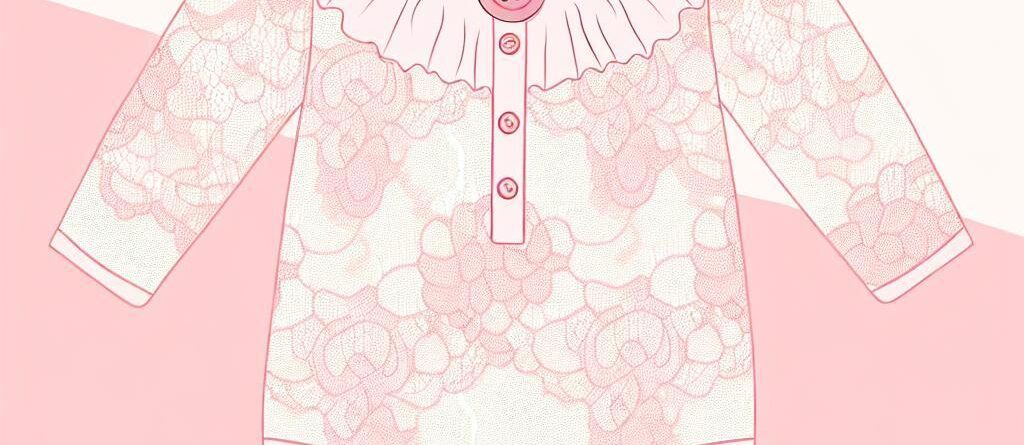
A special occasion outfit for a baby is more than a garment: it’s a tiny ceremony of care, comfort, and style stitched together for a moment that will live in photos and memories. Choosing the right fabric is the quiet decision that determines whether that outfit will cradle delicate skin, hold up through wriggly movements, and stand up to the realities of feeding, naps, and play.
This article will guide you through the fabrics that best suit celebratory wear for infants-balancing softness, breathability, and safety with practical concerns like durability and ease of cleaning. We’ll explore how fiber choices, weave, and finish affect feel and fit, and offer simple ways to match fabric to season, even, and baby’s needs so the outfit looks lovely without sacrificing comfort.
Think of fabric as the first layer of hospitality you offer your child: the right one makes both baby and caregiver more relaxed, so everyone can focus on the party rather than the wardrobe.
Table of Contents
- Softness and Breathability: Fabrics That Keep Baby Comfortable During Celebrations
- Hypoallergenic and Chemical-Free Choices for Sensitive Baby Skin
- Stain Resistance and Easy Care Fabrics for Stress-Free Outfit Maintenance
- Luxurious Look Without the Scratch: Selecting Linings, Trims, and Gentle Embellishments
- Seasonal Fabrics and Layering Strategies to Balance Warmth and Style
- Q&A
- Key Takeaways
Softness and Breathability: Fabrics That Keep Baby Comfortable During Celebrations
Babies experience the world through touch, so the fabrics you choose should feel like a gentle hug all day long. Favor lightweight, loosely woven materials that allow air to circulate and wick away moisture – think soft, natural fibers with a smooth hand and a forgiving stretch. Small design details like flat seams, tag-free labels, and minimal embellishments will keep the focus on comfort while still letting the outfit look special.
Practicality and comfort can coexist beautifully. Below are dependable fabric picks and a few fast care notes to help keep tiny party-goers cool and content:
- Organic cotton – breathable, ultra-soft, and easy to wash; ideal for sensitive skin.
- Bamboo viscose - silky texture and excellent moisture management for warm venues.
- Linen – naturally airy and cool, perfect for outdoor or summer celebrations.
- Cotton blends – add durability and crease-resistance while retaining most natural breathability.
- Avoid heavy synthetics for long stretches of wear; they can trap heat and irritate delicate skin.
| Fabric | Feel | Best for |
|---|---|---|
| Organic Cotton | Cloud-soft | Indoor ceremonies & family photos |
| Bamboo Viscose | Silky, cooling | Warm-weather parties |
| Linen | Textured, breezy | Outdoor or beach events |

Hypoallergenic and Chemical-Free choices for Sensitive Baby Skin
For infants with delicate, reactive skin, the smartest special-occasion outfits start with gentle, chemical-free fibers that look polished without compromising comfort. Seek out organic cotton for its soft hand and minimal processing, bamboo-derived viscose for natural breathability (note: check the production method), silk for a luxe but lightweight option on short wear, and linen when you want structure with excellent airflow. When shopping, prioritize fabrics certified by GOTS or OEKO-TEX to reduce the chance of hidden finishes and harsh dyes against fragile skin.
| Fabric | Softness | Best for |
|---|---|---|
| Organic Cotton | Very soft | Baptisms, daytime parties |
| Bamboo Viscose | Silky | Warm-weather ceremonies |
| Silk (untreated) | Luxurious | Short formal wear |
| Linen | Softens with wash | Outdoor gatherings |
Finish your choice with thoughtful details: opt for tagless labels, flat or covered seams, and gentle closures like snaps rather than coarse zippers. Prefer naturally dyed or undyed garments and pre-wash everything with a fragrance-free detergent before the event to remove residual processing agents. A quick fabric patch test on your baby’s inner arm can give extra assurance-if irritation appears, switch to a simpler,single-fabric option to keep the celebration joyful and itch-free.
Stain Resistance and Easy Care Fabrics for Stress-Free Outfit Maintenance
For a special occasion outfit that survives cake-smashes and curious little hands, think beyond looks-choose fabrics that combine stain resistance with effortless maintenance. Opt for modern performance textiles that mimic luxe finishes: polyester-satin or charmeuse gives a silky sheen but is usually machine-washable, cotton-sateen offers a crisp, breathable feel with good spot-cleaning ability, and microfiber blends are remarkably soft and repel spills. Consider designs with removable overlays (like tulle skirts or detachable bows) so the embellished parts can be treated separately, and look for garments with factory-applied stain guards or finishes that make emergency cleanups less stressful.
- Polyester-satin: shiny, machine-friendly, high stain resistance
- Cotton-sateen: natural feel, easy spot-cleaning, moderate durability
- Microfiber/knits: very forgiving, soft, quick-dry
- Treated fabrics: water/stain-repellent finishes for extra protection
Small habits extend the life of special outfits: treat spills promptly with a gentle, baby-safe stain remover, wash delicate pieces on a short cold cycle inside a garment bag, and air-dry or use very low heat to preserve finishes. For a quick reference when shopping, this simple comparison helps match the occasion to the care level you’re comfortable with.
| Fabric | Look | Care Ease |
|---|---|---|
| Polyester-satin | Lustrous & dressy | High |
| Cotton-sateen | Classic & soft | Medium |
| Microfiber/knit | Casual elegant | Very High |
| Silk (note) | Luxurious | Low – dry clean recommended |
 Luxurious Look Without the Scratch: Selecting Linings, Trims, and Gentle Embellishments

Choose inner layers that feel like a soft hug: bamboo knit, cotton voile, and lightweight silk charmeuse glide against delicate skin while offering breathability and a touch of luxury. For seams and hems, favor French seams, bias-bound edges, or soft serging so nothing rubs. Where structure is needed (waistbands, collars), add a thin cotton lining rather than interfacing that can be stiff - the goal is gentle support, not rigidity.
When decorating, aim for visual richness without bulk. Opt for embroidered appliqués, flat lace trims, silk-covered buttons, or tiny satin bows sewn with reinforcement. Avoid sequins, wired trims, and exposed beads that can snag or fall off. Thoughtful placement – collars, cuffs, and skirt hems – gives an upscale finish without overwhelming the garment or the child.
- Soft trims: flat lace, picot edging, tone-on-tone piping
- Secure embellishments: embroidered motifs, covered snaps, and sewn-on satin bows
- Comfort-first details: wide hem allowances, low-profile closures, and no inner scratch tags
| Layer | Quick win |
|---|---|
| Inner lining | Cotton voile – breathable & soft |
| Structural layer | Light cotton interfacing – flexible support |
| Decorative finish | Embroidered lace – luxe without scratch |
Seasonal Fabrics and Layering Strategies to Balance Warmth and Style
For a baby’s special occasion, think of fabric like the voice of the outfit – it sets comfort, temperature , and mood. Choose natural, breathable fibers for warm months: lightweight cotton, soft linen blends, or bamboo muslin keep skin cool and prevent overheating. For chillier seasons, opt for merino wool, cashmere blend, or brushed cotton for gentle insulation without bulk. Delicate occasion fabrics such as satin, tulle, or velvet look beautiful but should be fully lined with cotton or a soft knit to avoid irritation and trap warmth where needed. Consider pieces with a little stretch so the baby can move freely, and parents can layer easily.
Layering is about quick changes and tailored warmth: start with a snug base layer, add an insulating middle, and finish with a decorative outer layer that matches the event. Keep essentials portable so you can adapt on the fly:
- Base: cotton onesie or thermal bodysuit
- Mid: knitted cardigan, fleece romper, or lined dress
- outer/Accessory: lightweight coat, bonnet, tights, or booties
| Season | best Fabric | Quick Layering Tip |
|---|---|---|
| Summer | Muslin, linen | One breathable layer + sun hat |
| Spring/Fall | Brushed cotton, light wool | On/off cardigan + tights |
| Winter | Merino, cashmere blend | Thermal base + lined coat |
Keep pieces coordinated so the functional layers still read as a cohesive, dressed-up look – a neutral undershirt beneath a patterned dress or a soft knit under a velvet jacket both keep baby cozy and camera-ready.
Q&A
Q: Why does fabric choice matter for a baby’s special occasion outfit?
A: Fabric affects comfort, safety, appearance , and care. A well-chosen fabric keeps baby happy (breathable, soft, non-irritating), looks appropriate for the event (drape, sheen, colorfastness), and simplifies cleanup and storage. In short, the wrong fabric can turn a beautiful outfit into an uncomfortable or unsafe one.
Q: Which natural fabrics are best for babies and why?
A: Cotton, linen, silk, and certain wools (especially merino) are top choices. Cotton and linen are breathable and absorbent – great for warm weather and delicate skin. Silk has a luxurious drape and is breathable, but it is delicate. Merino wool is warm without itch for many babies and regulates temperature well. Always check for soft lining where needed.
Q: What about man-made fabrics like polyester or nylon?
A: Synthetics can offer shine, structure , and affordability (e.g., polyester satin or tulle). They tend to be less breathable and can trap heat or moisture, so they’re better as outer layers or for short-term wear. Choose blends or garments with soft cotton lining to keep skin contact comfortable.
Q: Are fabric blends a good compromise?
A: Yes. Blends (cotton-polyester, cotton-Lycra) combine breathability, stretch, and wrinkle resistance, making outfits easier to move in and care for. For infants, prioritize a natural-fiber lining if the blend feels synthetic against the skin.
Q: How should I choose fabrics for different seasons?
A: Summer: lightweight cotton, linen, Tencel/lyocell, or silk blends - breathable and cooling. Spring/fall: medium-weight cotton, cotton blends, light merino or Tencel. Winter: wool, velveteen , or heavier cotton blends for warmth; layer with soft linings. Always consider the venue temperature as well (indoors can be overheated).
Q: What fabrics are best for formal looks (baptisms, weddings, parties)?
A: Silk, satin (silk or polyester), chiffon, tulle, and fine cotton or brocade can look very dressy. For babies, prioritize a soft inner lining (cotton or modal) beneath the decorative fabric so the baby’s skin isn’t irritated. Use tulle and organza sparingly and ensure they don’t scratch.
Q: Are there fabrics I should avoid for babies?
A: Avoid rough, scratchy, heavily stiffened, or heavily embellished fabrics that contact skin directly (raw organza, unlined tulle, scratchy sequined jerseys). Also, be cautious with fabrics that don’t breathe well if the baby will be active or in warm environments.
Q: How do embellishments like beads, sequins , and ribbons affect fabric choice?
A: Embellishments add style but create safety and comfort risks. Choose outfits where beads and sequins are sewn on securely and placed away from the face. Avoid loose ribbons or detachable parts that could be choking hazards. For babies under crawling or mouthing age, minimal or embroidered decoration is safest.
Q: What should I know about dyes and chemical finishes?
A: Look for OEKO-TEX, GOTS, or similar certifications that indicate low-toxicity dyes and finishes. Avoid heavily treated fabrics (strong flame retardants, formaldehyde finishes) in direct contact withthe baby’s skin. Pre-wash new garments to remove residual dye or chemicals.
Q: How should I handle allergies or very sensitive skin?
A: Start with soft, natural fibers - organic cotton, Tencel/lyocell, or silk. Do a patch test: let the baby wear a small piece of lining for a few hours to check for a reaction. If severe eczema or allergies exist, consult your pediatrician or dermatologist for fabric guidance.
Q: What about stretch and movement – which fabrics allow babies to move freely?
A: fabrics with natural stretch or added elastane/Lycra in small percentages (3-5%) allow crawling and squirming without restricting. Knits (jersey) are more forgiving than woven dress fabrics. For formalwear, consider a stretch-cotton lining under a non-stretch outer fabric.
Q: How do I balance aesthetics and practicality for an outfit that will be worn once?
A: Consider detachable or layered designs: a beautiful tulle overlay can be removed quickly for play; a satin dress with a cotton lining gives a look without discomfort. If it’s a one-time heirloom, protect it during wear with a soft underlayer and accept that professional cleaning might potentially be needed afterward.
Q: Any special care tips by fabric type?
A: Cotton/linen: pre-wash, machine-wash gentle, line-dry or tumble low. Silk: hand-wash or dry-clean, avoid long soak; iron low. Wool: gentle wash or dry-clean, reshape , damp, and lay flat to dry. Synthetics: machine-washable but prone to holding odors; low heat drying. Always follow care labels and pre-wash to remove irritants.
Q: What should I look for on labels or product descriptions?
A: Fiber content (percentages), lining materials, care instructions, and any certifications (OEKO-TEX, GOTS). Note whether embellishments are securely attached and whether the garment lists flame-retardant treatments.
Q: Is sustainable fabric a practical choice for special occasion clothes?
A: Yes. Organic cotton, GOTS-certified fabrics, Tencel/lyocell, and responsibly produced silk are increasingly available and combine low-toxicity finishes with good performance. Sustainable choices can be durable and beautiful – look for certification rather than marketing terms alone.
Q: Any quick rules of thumb when shopping?
A: – Prioritize soft lining and breathability for anything touching skin.
– Choose structured or decorative outer fabrics for short periods and removable layers for longer wear.
– Avoid loose small decorations and unsecured trims.
– Pre-wash and inspect seams and fastenings.
– Pick fabrics appropriate to the season and venue.
Q: Final safety checklist before the event?
A: Ensure no loose embellishments, secure fastenings (snaps over buttons if possible), a comfortable fit allowing movement, appropriate lining, and that the fabric isn’t overheating the baby. Bring a soft blanket or layer as a backup, and have a change of clothes handy. If you’d like, I can create a short fabric cheat-sheet listing the best fabrics by season and occasion, or suggest outfit fabrics for a specific event (wedding, christening, first birthday). Which would help you most?
Key Takeaways
As you prepare for those milestone photos and tiny celebrations, remember that fabric does more than finish a look – it shapes the experience. Choosing cottons, soft blends, or breathables for warmer months and gentle knits or lined fabrics for cooler days helps keep comfort and safety at the center of style. Weigh the occasion against practical needs like sensitivity, ease of movement, and laundering, and don’t be afraid to test a swatch against skin before committing. With thoughtful choices, you’ll find materials that look lovely in the moment and wear well afterward, letting both outfit and memory hold up over time. The best fabric is the one that lets your little one feel comfortable, looked after, and free to enjoy the day.


Leave a Reply