
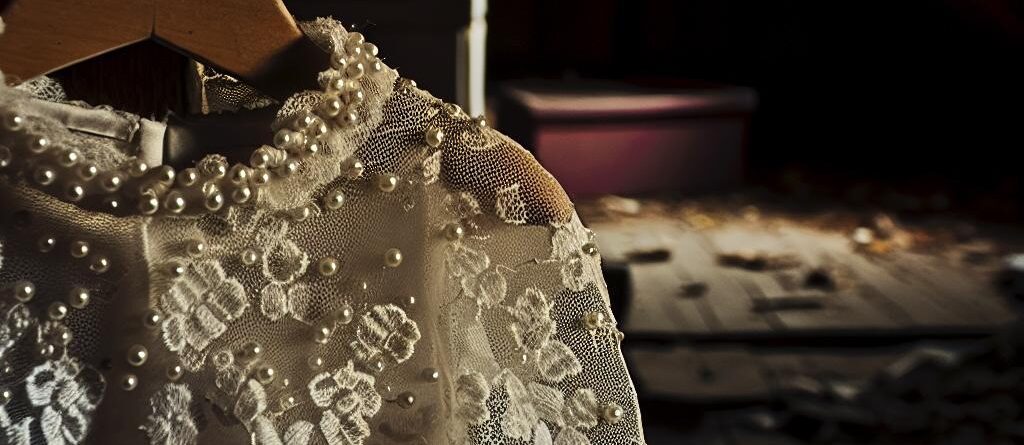
A christening gown is more than a finely stitched garment – it is a quiet archive of beginnings, a fabric-wrapped memory that may travel through generations. Its lace, embroidery, and soft silks hold the shape of a small body and the weight of a family’s traditions, so the way you care for and store it determines whether that story fades or endures.
Because these gowns are often made from delicate materials and may carry stubborn stains from a crucial day, they require thoughtful handling: cleaning methods that protect fragile fibers, repairs that respect original details, and storage choices that prevent yellowing, pests, and distortion. This article guides you through practical, gentle steps to preserve the gown’s appearance and meaning, whether you plan to pass it on, display it, or keep it as a keepsake.
You’ll find guidance on assessing fabrics, choosing safe cleaning techniques, dealing with common stains, simple mending tips, and smart long-term storage solutions – plus suggestions for documenting provenance. Hence, the story stitched into the gown travels with it.
Table of Contents
- Selecting and Inspecting the Gown: Fabric, Embroidery, and Common Vulnerabilities
- Cleaning After the Ceremony: Immediate Spot Treatment and Safe Home Washing Methods
- When to Seek Professional Cleaning and Restoration: Evaluating Stains, Delicate Fabrics, and Heirloom Trim
- Long Term Storage Techniques: Acid Free Materials, Climate Control, and Pest Prevention
- Preserving Heirloom Value and Memory: Labeling, Documentation, Periodic Checks, and Gentle Display Options
- Q&A
- The Conclusion
Selecting and Inspecting the Gown: Fabric, Embroidery, and Common Vulnerabilities
Feel the fabric first: natural fibers such as silk, cotton, and linen age differently than synthetics, and each needs its own gentle approach. Run your fingertips along seams and hems to detect thin spots, and hold the gown up to light to reveal faint stains or translucency. Look for yellowing around collars and underarm areas, loose threads near hand-stitched seams, and fragile trims – these are the places that usually fail first and will dictate how carefully you must handle the piece.
Embroidery and lace are lovely but vulnerable. Hand-stitched motifs, seed pearls, and metallic threads can loosen or corrode, while machine embroidery may pucker if the fabric has shrunk. When you inspect, focus on:
- Thread tension - pulled or broken strands;
- Attachment points – beads, sequins, or appliqués that wobble;
- Backing fabric – discoloration or weakness beneath embellishment.
Note each flaw with a quick photo; tiny repairs now prevent larger conservation needs later.
| Issue | Quick check | Urgency |
|---|---|---|
| Yellowing | Inspect collars/underarms | High |
| Loose beads | Gently shake to test | Medium |
| Thin seams | Lightly tug the seam allowance | High |
| Moth/odor | Smell & look for holes | Medium |
Record what you find and prioritize conservation: stabilization (secure loose threads), gentle cleaning, and safe storage are guided by the vulnerabilities you uncover.

Cleaning After the Ceremony: Immediate Spot Treatment and Safe Home Washing Methods
First reach for calm: blot stains immediately with a clean, white cloth to lift as much liquid as possible-never rub, which sets the stain and frays threadwork. For milk or formula, dab cool water and a drop of baby-safe detergent from the back of the fabric; for wax, freeze the spot with ice and gently chip away the residue before using a cotton swab and warm, soapy water. Keep a tiny kit in your bag: a soft brush, plain white cloths, a travel-size baby detergent, and a small jar of pure glycerin to loosen trickier marks. Always test any product on an inconspicuous seam first to protect lace and embroidery.
Quick-treatment toolkit:
- white cotton cloths for blotting (no dyes)
- Baby-safe detergent or mild soap
- Glycerin or oxygen bleach for protein/stain lift (spot-test)
- An ice pack for wax, and a soft brush for dried crumbs
When ready for a full clean at home, treat the garment gently: hand-wash in lukewarm water with mild detergent for delicate fabrics, or place inside a mesh laundry bag and run the machine on a cold, gentle cycle only if the care label permits. Avoid chlorine bleach and hot water; heat will shrink or yellow silk and satin, and can set pigments. Patents should be handled flat or hung to dry in the shade, then ironed on the lowest setting with a press cloth if needed.
Simple wash guide
| Fabric | Water Temp | Method | Dry |
|---|---|---|---|
| Silk/satin | Cold | hand-wash | Flat in shade |
| Cotton/linen | Lukewarm | Gentle cycle or hand | Hang or flat |
| Lace/embroidery | Cold | Hand-wash, gentle dab | Flat, tissue support |
For long-term care after cleaning, stuff sleeves and bodice with acid-free tissue, wrap the gown in muslin or cotton, and store flat in a breathable box away from sunlight and humidity to preserve the gown for future generations.
When to Seek Professional Cleaning and Restoration: Evaluating Stains, Delicate Fabrics, and Heirloom Trim
Some gowns you can gently spot-treat at home, but others whisper for specialist hands. If a stain has been sitting for months, shows a brown halo, or resists mild soap and cool water, don’t force it – proteins (milk, blood), tannins (tea, wine), and rust can set permanently. Fragile materials like silk, antique lace, or hand-stitched trim with glass beads or metal threads are especially vulnerable; when threads pull or fibers feel brittle, that’s a red flag. Look for these clear indicators that professional care is the wiser choice:
- Set-in discoloration that doesn’t lift with gentle methods
- structural weakness-holes, fraying, or loose trim
- Complex embellishments such as pearls, metallic threads, or glued sequins
- Past or sentimental value, where preservation trumps rapid cleaning
Professionals offer tailored conservation plans rather than one-size-fits-all washing. Expect a conservator to evaluate fibers, test stains, and recommend reversible treatments and archival storage. A quick reference table can definitely help you decide:
| Issue | Recommended Action |
|---|---|
| Yellowing or brown spots | Professional stain analysis and gentle bleaching |
| Fraying lace or loose beads | Stabilization and delicate hand-stitching |
| Odor or mildew | Conservation cleaning and controlled drying |
Before handing over the gown, ask about the cleaner’s experience with heirlooms, whether they document condition with photos, and if they use conservation-grade, acid-free storage. Preservation is frequently enough more about patience than speed-a thoughtful, sometimes costlier intervention now can keep a christening gown luminous for generations.
Long Term Storage Techniques: Acid Free Materials, Climate Control, and Pest Prevention
Wrap the gown as you would a treasured painting: gently padded, folded along natural seams, and cushioned with acid-free tissue to prevent creasing and discoloration. Choose a sturdy, acid-free storage box or a 100% cotton muslin bag rather than plastic – plastics can trap moisture and cause yellowing over time. Remove any metal pins or brooches, wear clean cotton gloves when handling, and tuck small pieces (ribbons, caps) into separate labeled tissue packets to avoid pressure marks.
- Acid-free tissue (unbuffered for silk)
- Archival box or cotton muslin bag
- Cotton gloves for handling
- Silica gel packets (non-chemical, in breathable pouch)
Store the box in a stable, climate-controlled spot – a cool, dark closet or interior shelf is far better than an attic or basement. Aim for a consistent temperature and moderate humidity to slow fiber degradation and deter mold; avoid direct light and heat sources. For pest prevention, keep the storage area clean and inspect the gown every 6-12 months. Use natural deterrents like breathable lavender sachets placed outside the fabric layers (never directly on delicate trims), and avoid mothballs or cedar blocks that can off-gas or stain fragile fabrics.
- Inspect annually for stains, pests, or changes
- Keep storage off concrete floors and away from vents
- Refresh silica gel when it becomes saturated
| Condition | Recommendation |
|---|---|
| Temperature | 55-68°F (13-20°C) |
| Relative Humidity | 40-50% |
| Inspection interval | Every 6-12 months |
Preserving Heirloom Value and Memory: Labeling, Documentation, Periodic Checks, and Gentle Display Options
Keep the gown’s story as cherished as the fabric itself by creating a small archival packet to live with the dress: a folded card with the baby’s full name, date of christening, who made or gifted the gown, and any special stitches or repairs. Attach a discreet, acid-free tag to a seam (or sew a tiny cotton label into a hem) rather than using adhesive. Photograph the gown from several angles and include close-ups of lace, embroidery, and maker’s marks; store prints or digital files together with the garment’s paperwork so provenance is never lost. Helpful items to include in your archival packet:
- Written record: names, dates, and origins
- Care notes: cleaning methods and past repairs
- Photographs: full gown and detail shots
- Small memento: lock of hair, ribbon swatch-kept separately in acid-free paper
Make a habit of gentle check-ups every few months-open the storage box in a shaded, dust-free room, refold on fresh acid-free tissue, and inspect for pests, yellowing, or weakened stitches. For occasional display, favor protective, reversible methods: a UV-protective shadow box, a padded mannequin with a cotton underlayer, or a short-term hanger wrapped in muslin. Avoid adhesives, metal pins, or direct sunlight. A simple schedule can help you stay on top of care:
| Frequency | What to Do |
|---|---|
| Every 3-6 months | air, inspect for pests, refold on fresh tissue |
| Annually | Photograph, update documentation, check seams |
| When displaying | Use UV glass, short duration, reversible mounting |
Q&A
Q: Why is special care needed for a baby’s christening gown?
A: Christening gowns are often made from delicate fabrics, hand-stitched trims, and sometimes decades-old materials. They are both sentimental and fragile, so proper care prevents irreversible damage, staining, discoloration, and distortion, so the gown can be enjoyed by future generations.
Q: When should I clean the gown – before or after the ceremony?
A: Clean it before the ceremony only if it is visibly soiled. Otherwise, wait to see what stains occur during the event and clean promptly afterward. If the gown is vintage or has antique trims, don’t attempt heavy cleaning without consulting a textile conservator.
Q: How quickly should I treat stains after the ceremony?
A: Treat stains as soon as possible – ideally within 24-48 hours. Fresh stains are far easier to remove. For delicate or antique gowns, document the stain (photograph) and seek professional advice before aggressive treatment.
Q: What’s the safest way to remove common stains (milk, spit-up, formula)?
A: Rinse the stained area in cool water right away to remove as much residue as possible. Then soak gently in lukewarm water with a mild, pH-neutral detergent (or a detergent formulated for delicates). Rinse thoroughly and air-dry flat. Avoid hot water, which can set proteins, and avoid chlorine bleach.
Q: How do I remove oil- or wax-based stains (baby oil, lotion, candle wax)?
A: For oils, blot excess with an absorbent powder (cornstarch or talc), let sit to absorb, brush off, then treat with a gentle solvent-free dish soap or delicate detergent and rinse. For candle wax, freeze the gown or place ice cubes in a plastic bag on the wax to harden it, gently lift off flakes, then place a clean paper towel over the spot and warm with a low iron to draw remaining wax into the paper. Test a hidden area first and avoid heat near trims or dyes.
Q: Can I machine-wash a christening gown?
A: Generally, no machine washing can stress seams, distort lace, or tangle embellishments. Hand-washing is safest for most modern and heirloom gowns. If the manufacturer specifically states that machine washing is safe (rare), use a delicate cycle, mesh bag, cold water, and mild detergent.
Q: Should I dry clean the gown?
A: Professional dry cleaning can be appropriate for gowns with heavy beading, stubborn stains, or fabrics that react poorly to water. Tell the cleaner about any antique trims, weak areas, or known stains. For antique gowns, choose a cleaner experienced with textiles or a conservator, as some dry-cleaning solvents can harm delicate fibers and trims.
Q: How should I dry and press the gown after cleaning?
A: Never wrong. Gently press excess water between towels or roll the gown in a towel to blot. Lay flat on a dry towel to air-dry away from direct sunlight and heat. To remove wrinkles, use a cool iron with a pressing cloth or use a handheld steamer at a safe distance. Support delicate seams and embellishments while pressing.
Q: Is it safe to use bleach to whiten a gown?
A: Avoid chlorine bleach – it weakens fibers and can cause yellowing over time. For tough whiteners, oxygen-based (color-safe) bleach can be used cautiously on sturdy modern fabrics, but always test an inconspicuous spot first. For heirlooms, consult a conservator before any whitening treatment.
Q: What’s the best long-term storage method for a christening gown?
A: Store the gown flat in an acid-free archival box with acid-free tissue paper to pad folds and prevent creasing. If flat storage isn’t possible, use a padded hanger and cover with a breathable cotton garment bag for short-term storage only. Avoid plastic bags and standard cardboard boxes, as they trap moisture and release acids that cause yellowing.
Q: What materials and conditions should I use for archival storage?
A: Use acid-free, lignin-free tissue and archival boxes. Store in a cool, dry, dark environment with stable temperature and humidity – ideally around 50-65°F (10-18°C) and 40-55% relative humidity. Place silica gel packets (non-corrosive) nearby to control moisture, and avoid attics, basements, and garages.
Q: How do I prevent pests, mold, and yellowing?
A: Keep the storage area clean and climate-controlled. Avoid cedar and mothballs in direct contact with the fabric; cedar oils can stain, and mothballs are toxic and leave residues. Use breathable barriers, periodic inspections, and natural sachets (e.g., dried lavender in a separate container) if desired. Check the gown every 6-12 months for signs of pests, discoloration, or moisture.
Q: Can I display the gown on a mannequin or in a shadowbox?
A: Yes, but limit display time to avoid light and dust damage. If displaying, use UV-filtering glass or acrylic, low-light conditions, and padded support to prevent strain on shoulders and seams. For a shadowbox, use acid-free backing and avoid adhesives directly on the fabric.
Q: What should I do with fragile seams, loose beads, or broken trims?
A: Perform only minimal stabilization yourself: secure loose threads with small, gentle stitches or tie threads off (not cutting). For meaningful repairs or if the gown is a valued heirloom, consult a textile conservator or an experienced seamstress specializing in vintage garments to avoid unintended damage.
Q: How should I document and preserve the gown’s history?
A: Photograph the gown (overall and details), note the baby’s name, date of christening, family history, fabric and trim descriptions, cleaning and repair records, and any provenance. Store this documentation with the gown (in the archival box) or digitally with backups.
Q: Any quick tips for transporting the gown to and from the ceremony?
A: Use a padded hanger inside a breathable cotton garment bag; carry the gown flat if possible in an archival box or sturdy, clean garment bag. Avoid folding drastically; if folding is necessary, pad folds with acid-free tissue. Keep the gown in a climate-controlled car compartment rather than the trunk.
Q: When should I consult a textile conservator?
A: Consult a conservator if the gown is antique, extremely fragile, heavily stained, has historic value, contains water-soluble dyes that might run, or when you’re unsure about a cleaning method. They can provide specialized treatment that preserves both fabric and history.
Q: Any final dos and don’ts to remember?
A: Do: act promptly with stains, use gentle detergents, store in acid-free materials, document provenance, and check periodically. Don’t: use chlorine bleach, leave items in plastic bags or humid places, soak antique trims without expert advice, or hang heavy gowns long-term without adequate support.
If you’d like, I can tailor this Q&A for a specific fabric (silk, cotton, lace) or for a vintage vs. modern gown. Which would you prefer?
The Conclusion
A christening gown is more than fabric and stitch – it’s a small archive of family moments stitched into lace and ribbon. With a little attention now – gentle cleaning, careful mending, breathable, acid-free storage , and occasional inspections – that garment can carry its story forward, unmarred by time.
Treat the gown as both heirloom and delicate textile: follow fabric-appropriate cleaning methods, avoid plastic and damp environments, use padded supports to prevent creases, and keep a simple record of dates and treatments. For vintage or heavily soiled pieces, seek a textile conservator; for everyday care, a cool, dry closet and acid-free materials will do most of the work.
Handled with respect and simple, consistent care, your baby’s christening gown can remain a tangible link between generations. Store it thoughtfully, check it occasionally, and let the garment continue to do what it was made for - hold a memory.






Leave a Reply