

A newborn’s first outfit does more than announce her arrival – it answers practical questions before you even know to ask them. Fresh from the warmth of the womb and often the shining lights of a delivery room, a baby girl needs clothing that meets immediate needs: warmth, comfort, a safe fit, and easy access for feeding and medical checks. What looks cute in a photo should still be sensible on a sleepless night.
This article will explore the essentials for those first hours and days: soft fabrics that won’t irritate delicate skin, styles that accommodate umbilical cords and diapers, and layers that help maintain body temperature. We’ll also touch on seasonal considerations, hospital versus home supplies, and a few gentle style notes for parents who want practicality and personality to coexist. Whether you’re packing a hospital bag or stocking a nursery drawer, thoughtful choices make those first outfits both reassuring and functional.
Table of Contents
- Choosing the First Outfit: Soft Fabrics, Snaps, and Easy Diaper Access
- Hospital Essentials and Practical Tips for First Photos and Newborn Checks
- Layering and Swaddling: Safe Techniques for Regulating Baby Body Temperature
- Packing the Going Home Bag: Essential Clothing Items and How to Pack Them
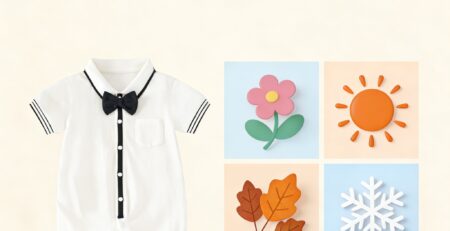
- Seasonal Dressing Guide: Tips for Hot Weather, Cold Nights, and Sudden Temperature Changes
- Q&A
- The way forward
Choosing the First Outfit: Soft Fabrics, Snaps, and Easy Diaper Access
Think of the first outfit as a soft hug that fits just right – breathable, gentle, and fuss-free. Choose fabrics that feel like a whisper against delicate skin: breathable cotton, bamboo blends, or super-soft modal. Look for clothes with tag-free seams and a roomy neckline so you can slip them on without tugging at tiny shoulders; comfort beats style on day one. Keep hats and mittens light and easy to remove, and avoid anything with loose ties or decorations that could irritate or come loose.
- Onesie with front snaps – fast, secure, and keeps the torso covered during fast checks.
- Sleepers with full-length zippers – speediest for midnight diaper runs.
- Fold-over cuffs on sleeves to prevent scratches without extra mittens.
- Layer-kind pieces so you can add or remove warmth without a complete outfit change.
| Item | Why it helps |
|---|---|
| Front-snap onesie | Quick access, stays put |
| Zip sleeper | Fast diaper changes |
| Soft hat | Regulates temperature |
Before the first wear, wash everything in a gentle, fragrance-free detergent to remove manufacturing residues. When choosing closures, prioritize practicality: snaps or zippers that open from the neckline to the feet make diapering simple and calm for both you and baby. Aim for a calm, slow dressing routine-soft voices, steady hands, and clothing that fits the moment will make that first outfit feel just right.

Hospital Essentials and Practical Tips for First Photos and Newborn Checks
In those first golden hours, choose clothing that lets your newborn be the star while staying practical: soft cotton onesies with full-length snaps or zippers, a tiny hat to keep heat in, and a neutral swaddle that photographs beautifully. Hospitals often recommend skin-to-skin right after birth, so have a simple outfit ready that’s easy to remove – think envelope necklines and fold-over mittens to prevent scratching. Bring two options: a snug newborn size and a slightly larger 0-3 month piece in case she’s on the bigger side.
For smooth newborn checks and first photos, prioritize accessibility and comfort. Keep jewelry minimal, label any personal items, and have a spare blanket for mottling or unexpected messes. Below is a quick hospital-friendly checklist to tuck into your hospital bag or pin to the nursery board:
| Item | Why | Quick Tip |
|---|---|---|
| Simple Onesie | Easy diaper checks and temperature control | Choose neutral colors for timeless photos |
| Hat & Socks | Maintains body heat during exams | Keep one thin and one warm option |
| Swaddle Blanket | Comfort, photos, and quick clean-up | A patterned and a plain one cover all looks |
Layering and Swaddling: Safe Techniques for Regulating Baby Body Temperature
Think of dressing your newborn girl as creating a gentle microclimate: start with a breathable base layer (a soft cotton or bamboo onesie), add a light mid-layer like a cotton sleeper or a thin footed gown, and top with a removable layer-socks, a hat, or a zip-up sleep sack, if the room is cool. Keep fabrics natural and stretchy to allow movement and heat to escape. Quick checks are more reliable than numbers: feel her neck or upper back (not hands or feet) to judge warmth, watch for clamminess or flushed skin, which can signal overheating, and aim for one more layer than you’re wearing. Small details-snug but not constricting cuffs, gentle neck openings, and no loose ties-help keep comfort and safety a priority.
For swaddling, favor hip-friendly techniques and breathable muslin. Wrap snugly across the shoulders but leave the hips and legs loose so the knees can bend and the hips can move-this supports healthy development and reduces risk. If you prefer not to swaddle, a properly sized sleep sack that allows arm movement is a safe option. Stop swaddling once your baby shows signs of rolling. Below is a simple temperature guide to help decide layers quickly:
| Room Temp | Quick Outfit Suggestion |
|---|---|
| 68-72°F (20-22°C) | Onesie + sleeper, light sleep sack |
| 65-68°F (18-20°C) | Onesie + footed sleeper + thin hat at night |
| 72-76°F (22-24°C) | Onesie or lightweight gown, skip extra blanket |
- Tip: Avoid loose blankets in the crib-use sleep sacks rather.
- Tip: Layering lets you add or remove clothing quickly during feeds or transfers without unwrapping her fully.
Packing the Going Home Bag: Essential Clothing Items and How to Pack Them
Think practical and a little photogenic: choose soft, breathable fabrics that make temperature checks easy and diaper changes fast. Pack two to three onesies (front‑snap or envelope‑neck styles are lifesavers), one cozy sleeper, a light hat, and two pairs of socks or booties. Add a special going‑home outfit – nothing tight or fussy, just a comfy dress or romper layered over a onesie if it’s cool – plus mittens to prevent scratching and a thin swaddle or receiving blanket. Keep sizes simple: newborn and 0-3 months will cover most early days, and pick neutral or easy‑care colors you don’t mind getting washed immediately.
Pack smart so you can grab what you need with one hand: roll tiny items like socks and mittens into a pair and tuck them inside a clean onesie, fold sleepers flat and place them at the top of the bag, and use clear zip bags to separate outfits (label them ”Change 1,” “Change 2”). Below is a quick cheat‑sheet for quantities – adjust for how long you expect to stay and the season. For added convenience, keep one outfit set in an exterior pocket for the actual hospital exit.
- Front‑snap/Envelope onesies: 2-3
- Sleeper: 1-2
- Going‑home outfit: 1
- Hat & socks/booties: 1-2 each
- Mittens & swaddle: 1 each
| Item | Pack |
|---|---|
| Onesies | 2-3, rolled |
| Sleepers | 1-2, folded |
| Going‑home outfit | 1, outer pocket |
Seasonal Dressing Guide: Tips for Hot Weather, Cold Nights, and Sudden Temperature Changes
Think of dressing a newborn like dressing in layers for a tiny thermostat: start with a soft, snug base and add or remove a lightweight layer as needed. In hot weather, choose breathable fabrics such as 100% cotton or muslin, and keep outfits simple-one-piece bodysuits or romper with a light sun hat for outdoors are perfect. For sudden temperature dips (air-conditioned rooms or evening breezes), have a thin cardigan or muslin blanket on hand so you can pop on an extra layer without a full change. Always check her neck or upper back with your hand-if it feels sweaty or clammy, remove a layer; if it’s cool, add one.
- Lightweight base: short-sleeve onesie or romper.
- Easy layers: muslin wrap, thin cardigan, or kimono-style top for quick dressing.
- Sun & airflow: wide-brim hat, breathable stroller cover-avoid overdressing in direct sun.
When nights turn cold, prioritize warmth that won’t restrict movement: footed pajamas, a zip sleep sack, and a hat for the earliest weeks if the room is chilly. For quick transitions (car to house, day out to nursery), think zipper closures and outfits that don’t bunch under car seats. Keep a small emergency kit in your diaper bag with a spare onesie, socks, and a lightweight blanket so you can respond fast to temperature swings.
- Cold-night essentials: footed sleepwear, wearable blanket (no loose covers), cozy socks.
- Quick-change features: zippers, snap-front rompers, and layerable pieces.
| Room Temp | Suggested Outfit |
|---|---|
| 75°F (24°C) and above | Single cotton onesie, bare legs, sun hat outdoors |
| 65-74°F (18-23°C) | Long-sleeve onesie + light cardigan or muslin wrap |
| Below 65°F (18°C) | Footed sleeper + zip sleep sack, hat for newborn |
Q&A
Q: What should a baby girl wear immediately after birth?
A: Right after birth, she’ll usually be wrapped in a soft receiving blanket and given a hospital hat to help regulate body temperature. Hospitals commonly put a simple cotton onesie or a newborn gown on her for easy access and skin-to-skin time. The focus is warmth, comfort, and easy medical checks.
Q: What size clothing should I pack in my hospital bag?
A: Pack a mix of newborn and 0-3 month sizes - babies vary widely in weight and length at birth. Include 2-3 onesies or gowns, a pair of sleepers or footed pajamas, a hat, socks or booties, and a wearable blanket or swaddle. Bring an outfit to go home in (often 0-3 months is safest).
Q: What is best for the “coming home” outfit?
A: Choose something soft, simple, and easy to get on and off - a one-piece romper or zip-front sleeper with snap diaper access works well. Avoid tight hoods, overly decorative elements, or many separate layers for the car ride home. Pick an outfit sized for comfort rather than cuteness alone.
Q: Which fabrics are best for newborn skin?
A: Soft, breathable fabrics like cotton, organic cotton, or bamboo blends are gentle and wick moisture. Avoid scratchy synthetics for items touching the skin. For very sensitive skin, look for labeled hypoallergenic products or consider pre-washing garments with a mild, fragrance-free detergent.
Q: How should I dress my baby for sleep?
A: Use a fitted cotton sleeper or a sleep sack/wearable blanket instead of loose blankets in the crib. Choosean appropriate thickness (TOG) to match the room temperature. The goal is to keep her comfortably warm without overheating; a sleep sack prevents loose bedding while allowing safe sleep on her back.
Q: How many layers is ideal?
A: Think of baby layers like a portable thermostat: typically, one more layer than an adult would wear is a useful rule, but adjust by feel. If you’re pleasant in a T-shirt, a onesie plus a sleeper or light swaddle is often right. Add or remove layers as you check her neck or back for warmth.
Q: Do newborns need hats and mittens?
A: A lightweight hat helps in the first hours to retain heat, especially in cool environments. Once the temperature stabilizes, hats are optional indoors. Mittens can prevent scratches, but choose soft, breathable options and remove them during supervised awake time to encourage hand use.
Q: How should I dress my baby for the car seat?
A: Avoid bulky coats or thick snowsuits beneath car seat straps. Rather, secure the baby in the seat with straps snug against the chest, then place a blanket or coat over the straps for warmth. For very cold weather, dress in thin layers and add outer layers after buckling.
Q: What clothing features make diaper changes easier?
A: Snap or zip-front onesies, gowns with open bottoms, and sleepers with two-way zippers speed diaper changes. Avoid outfits with many buttons, intricate fastenings, or pieces that require full undressing for each change.
Q: How many outfits do I need at home?
A: For the first few weeks, plan for frequent changes – 6-10 onesies/sleepers is a practical starting point, depending on how often you want to do laundry. Newborns can go through multiple outfits a day, so factor in extras for spit-up and leaks.
Q: Should I wash new baby clothes before use, and what detergent should I use?
A: Yes – wash new clothes before they touch baby’s skin to remove manufacturing residues. Use a gentle,fragrance-free detergent and an extra rinse if you’re concerned. Avoid fabric softeners and heavy fragrances that can irritate sensitive skin.
Q: What should I avoid putting on a newborn?
A: Avoid loose blankets, bibs, or necklaces during sleep, clothing with long ties or strings, and items with small detachable decorations that could become choking hazards. For sleep, avoid heavy quilts and pillows – stick to sleep sacks and fitted sheets.
Q: How do I dress for seasonal extremes (summer vs. winter)?
A: In summer, lightweight cotton onesies and a light swaddle are usually enough indoors; monitor for overheating. In winter, layer thin pieces (onesie + sleeper) and use a wearable blanket; for outdoor trips, add a warm but not bulky outer layer and a hat. Always check the baby’s temperature by feeling her chest or back rather than her hands and feet alone.
Q: What about style – rompers, dresses, or separates?
A: Function beats fashion for the early weeks. Onesies, sleepers, and gowns are easiest. Dresses and outfits with many pieces are fine for short outings or photos, but aren’t practical for frequent diapering. Choose soft, non-restrictive styles that allow movement and easy access.
Q: Any tips for babies with sensitive or allergic skin?
A: Choose natural, breathable fabrics and fragrance-free,dye-free detergents. Avoid fabric softeners and harsh bleaches. Consider pre-washing twice and test one garment first. If redness or irritation persists, consult a pediatrician or dermatologist.
Q: How do I handle fast growth and sizing changes?
A: Newborns grow rapidly; don’t buy a wardrobe full of newborn-only items. Keep a few newborn pieces and stock up more in 0-3 and 3-6 month sizes. Convertible clothing (adjustable cuffs, elastic waists) and generous cuts extend wear.
Q: Any quick tips for organizing baby clothes?
A: Sort by size and by type (sleepwear,daywear, outerwear) and keep the most-used items within easy reach near changing areas. Use labels or dividers for sizes so you can swap as she grows.
Q: When should I consult a pediatrician about clothing or skin concerns?
A: If you notice persistent rashes, severe redness, blisters, signs of infection, or reactions after dressing or laundering, check with your pediatrician. For questions about overheating, hypothermia, or medical devices and clothing interactions, ask a healthcare professional.
Q: Final rule of thumb?
A: Comfort, safety, and ease of care. Think soft fabrics, simple one-piece designs, safe sleep clothing, and layers you can adjust. Let practicality guide the cute choices – a well-dressed newborn is a comfy newborn.
The Way Forward
Choosing what a baby girl wears in those first hours and weeks is less about perfection and more about comfort, safety, and the small joys of getting to know her. Think soft fabrics, sensible layers, and clothes that make day-to-day care easier – then add a few pieces that feel like a tiny festivity. As seasons change and she grows, the wardrobe will evolve from practical basics to an assortment of little stories you’ll stitch together over time. Trust your instincts, accept that trial and error is part of the process, and enjoy the moments those outfits help create. What she wears will be a gentle reflection of care, warmth , and the life you’re beginning together.





Leave a Reply