

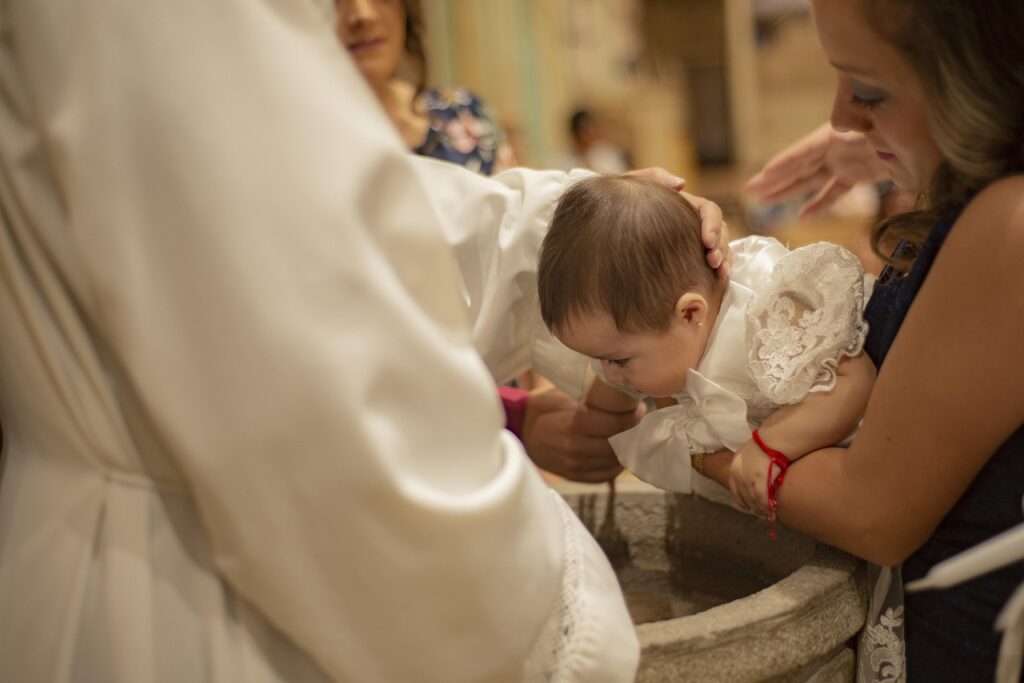
A christening gown, a first-birthday romper, a tiny tuxedo passed down through generations-special occasion baby clothes are more than fabric. They hold the laughter of relatives, the softness of first cuddles, and the kind of photographs that families come back to again and again. As these garments are worn infrequently but treasured deeply, they present a unique set of care challenges: delicate materials, intricate trims, stubborn stains, and the constant tug of time.
This article will guide you through practical ways to protect those pieces so they last: sensible cleaning methods for fragile fabrics, smart stain-prevention and removal tactics, safe storage solutions that guard against pests and yellowing, and simple repairs to keep garments wearable and display-worthy. It also touches on balancing everyday safety, like removing choking hazards, with long-term preservation, so you don’t have to choose between memory and practicality.
Whether you’re preserving a family heirloom or saving a keepsake from a single, perfect day, thoughtful care can extend the life and meaning of these tiny treasures. Keep reading for step-by-step advice that treats each piece with the attention it deserves, without turning preservation into a full-time job.
Table of Contents
- Preparing the Outfit Before the Event: Inspect Fabrics, Pretreat Stains, and Reinforce Seams
- Gentle Cleaning That Works: Hand Wash Cold, Use Mild Detergent, and Skip Bleach
- Machine washing with Care: Use Mesh Bags, Delicate Cycle, and Low Spin settings
- Drying and Pressing Without Damage: Reshape Garments, Air Dry Flat Away from Sun, and Iron Through a Press Cloth
- Long-term Storage and Protection: Use acid-free tissue, breathable Boxes, Rotate Regularly, and Add Natural Moth Deterrents
- Q&A
- The Conclusion
Preparing the outfit Before the Event: Inspect fabrics, Pretreat Stains, and Reinforce Seams
Before the big day, give the outfit a careful once-over under good light-check for loose threads, weakened seams, missing embellishments, and any tiny spots you might miss in a glance. Handle trims and appliqués gently; lift lace and sequins to see if they’re securely attached, and read the care label so you know whether the piece tolerates water, steam, or only spot cleaning. If you find marks, treat them immediately: a fast, gentle response is often all that’s needed to prevent permanent staining.
Follow a simple, safe pretreatment routine to protect delicate fibers:
- Test first: dab a tiny amount of stain remover on a hidden seam to check colorfastness.
- Blot, don’t rub: lift stains with a soft cloth and cold water to avoid spreading.
- Mild solutions only: use baby-safe or enzyme-free products for silks and trims.
Reinforcing weak points adds years to a special outfit-secure buttons with extra thread, tack down loose linings, and reinforce snaps with a small strip of interfacing where pressure concentrates. The quick reference table below helps match fabric to the safest pretreatment and reinforcement approach.
| Fabric | Pretreatment | reinforcement |
|---|---|---|
| Silk / Satin | Spot clean with mild surfactant; cold water | Hand-stitch hems; sew backing behind snaps |
| Lace / Tulle | Dab with saline or gentle detergent; avoid agitation | Tack motifs; use fine netting to protect seams |
| Cotton / Linen | Pre-soak in cool water; gentle enzyme-based spotter | Double-stitch stress points; reinforce buttons |
Gentle Cleaning That Works: Hand Wash Cold, Use Mild Detergent, and Skip Bleach
Treat heirloom dresses and tiny tuxedo jackets like the treasures they are: wash by hand in cold water, using a mild, fragrance-free detergent meant for delicates. Let the garment soak briefly, then gently swish-no wringing or harsh rubbing-to loosen dirt. Skip bleach and any whitening agents; they can weaken fibers, dull embroidery, and dissolve metallic threads. Always do a quick spot test on an inconspicuous seam before treating stains, so trims and dyes stay true.
- Rinse thoroughly in cold water until the soap runs clear.
- Press gently between towels to remove excess moisture-never twist.
- Air dry flat or hang in shade on a padded hanger to preserve shape and prevent sun fading.
After laundering, reshape collars and ruffles while damp and store outfits in breathable cotton bags, not plastic. For quick reference, a tiny care cheat-sheet helps when handing garments to sitters or family-note water temperature, detergent type, and any fragile trims so every special outfit shines on its next moment in the spotlight.
| Fabric | Best Tip |
|---|---|
| Silk | Cold soak, short rinse |
| Lace | Support with a mesh bag |
| Cotton blend | Gentle detergent, reshape damp |
Machine washing with Care: Use Mesh Bags, Delicate Cycle, and Low Spin Settings
Treat party frocks and tiny tuxedos like heirlooms: slip each piece into a soft mesh bag to shield lace, appliqués, and delicate trims from tangles and abrasion. Fasten snaps and zippers and turn garments inside out so sequins and embroidery face inward; then wash with a gentle, mild detergent in cold water to avoid shrinkage and color loss. Choosing a washer’s delicate cycle and a low spin setting reduces agitation and stretching, keeping silhouettes crisp and fabrics looking new for the next party.
Keep loads small and avoid mixing heavy items like denim or shoes that can bruise fine fabrics; after the cycle, reshape and air-dry flat or on a padded hanger to preserve structure. A few simple habits go a long way:
- Secure closures (buttons, snaps, ribbons) before washing.
- Wash similar fabrics together to prevent snagging and pilling.
- Skip the dryer or use no-heat air drying is kindest.
| Setting | Recommended |
|---|---|
| Cycle | Delicate / Gentle |
| Water | Cold |
| Spin | Low (400-600 rpm) |
Drying and Pressing Without Damage: Reshape Garments, Air Dry Flat Away from Sun, and Iron Through a Press Cloth
Handle damp special-occasion pieces like a gentle sculptor: after the final rinse, lay the garment on a clean towel and coax it back into its original curve – smooth seams, realign trim, and lightly pat areas that bulge. Fasten snaps or zippers and tuck delicate ruffles so they dry in place; this prevents permanent misshaping and keeps pleats and bows camera-ready. Small, intentional adjustments while the fabric is still damp make the difference between a one-wear outfit and a treasured hand-me-down.
- Lay garments flat on a breathable surface to dry – avoid clothespins that pinch and stretch.
- Keep items out of direct sunlight to prevent fading and weakening of fibers.
- Use a padded drying rack or folded towel to support beaded or lace sections.
When it’s time to finish, always use a thin cotton press cloth and a low-heat iron setting; work from the wrong side and test an inconspicuous seam first. Avoid vigorous back-and-forth rubbing – press and lift to set creases without crushing embroidery or sequins. For quick reference, the table below shows simple fabric-pleasant drying cues you can follow at a glance:
| Fabric | Drying Tip |
|---|---|
| Delicate lace | Flat on the towel, reshape gently |
| Satin or silk | Inside out, low-heat press cloth |
| Knits (cashmere/cotton) | Flat, shaped to original dimensions |
Long Term Storage and Protection: Use acid-free tissue, Breathable Boxes, Rotate Regularly, and add Natural Moth Deterrents
Treat each heirloom garment like a tiny work of art: always store pieces clean and fully dry, then pad delicate seams and embellishments with acid-free tissue so folds don’t bite into silk or lace. Skip airtight plastic bags – they trap moisture and can yellow fabric - and rather nest outfits in breathable boxes or cotton storage bags. Add clear labeling (date, occasion, notes on stains or repairs) so future caretakers know what’s inside without needless handling.
Keeping these treasures long-term is about gentle, scheduled attention as much as the right materials. Make a habit of gently airing and re-folding items every few months to prevent long-term creases and uneven fading; aim to rotate pieces at least twice a year. Tuck in natural deterrents-lavender or cedar in cloth sachets-not touching fabric directly, and refresh them seasonally. Small care checklist:
- Use acid-free tissue between folds and under collars
- Store in cotton or archival boxes, not plastic
- Rotate and air garments every 6-12 months
- Protect with natural sachets (lavender, cedar) kept in breathable pouches
| Storage Item | Quick Benefit |
|---|---|
| Acid-free tissue | Cushions fold, preventing yellowing |
| Breathable box | Allows airflow, fights mildew |
| Lavender/cedar sachet | Natural moth deterrent, gentle scent |
| Regular rotation | Stops permanent creases and checks pest activity |
Q&A
Q: Why should I treat special occasion baby clothes differently from everyday ones?
A: Special pieces often have delicate fabrics, trims (lace, beads, tulle, sequins), and construction that won’t stand up to everyday laundering or rough storage. Treating them gently preserves shape, color, and embellishments so they can be worn again, passed on, or kept as keepsakes.
Q: When should I clean a special outfit – before or after the event?
A: Always clean it as soon as reasonably possible after the event. Fresh stains are easier to remove; oils and sugars set over time. If you can’t launder immediately, at least spot-treat and air the garment in a shaded, ventilated area until you can clean it.
Q: How do I handle an urgent stain at the party?
A: Act quickly and gently. Blot (don’t rub) spills with a clean, absorbent cloth to lift excess. For solids, gently scrape; for liquids, dab. For protein stains (milk, blood), use cold water. For oily stains, dab with a mild dish soap solution. Always test any treatment on an inconspicuous area first.
Q: Should I machine wash or handwash delicate baby formalwear?
A: When in doubt, handwash. If the care label allows machine washing, use a gentle/delicate cycle, cold water, and put the item inside a zippered mesh laundry bag. Turn garments inside out to protect trims and use a mild, fragrance-free detergent.
Q: What detergents are best for special occasion pieces?
A: Choose a gentle, pH-balanced detergent made for delicate fabrics or babies – hypoallergenic and low-fragrance. For silk, wool, or other specialty fibers, use a detergent formulated specifically for them. Avoid bleach and harsh brighteners.
Q: Is dry cleaning safe for baby clothes with beads and sequins?
A: Many embellished garments do better with professional cleaning because cleaners can adjust solvents and techniques. Inform the cleaner about fragile trims and ask for hand-finishing or spot-clean-only when appropriate. Keep in mind that some adhesives and trims are sensitive to solvents; check labels and discuss your concerns.
Q: How do I dry delicate items without warping or damaging them?
A: Never tumble-dry decorations or structured garments. Lay flat on a clean towel to dry, reshaping gently. For skirts and unstructured dresses, hang them on a padded hanger to dry in a shaded,well-ventilated area. Avoid wringing; press excess water between towels.
Q: Can I iron tulle, satin, or sequined fabric?
A: Use caution. Steam is usually safer than direct ironing. If you must iron, use the lowest heat, a pressing cloth, and iron from the wrong side. Avoid direct heat on beads, sequins, and appliqués - they can melt or distort.
Q: How should I store special occasion baby clothes long-term?
A: Clean and fully dry the garment first. Store flat in an acid-free box with acid-free tissue paper between folds, or hang on padded hangers in breathable cotton garment bags. Keep items in a cool, dry, dark place with stable temperature and humidity. Avoid plastic bags that trap moisture and encourage mildew.
Q: Are vacuum bags okay for preserving these outfits?
A: No - vacuum sealing can crush delicate trims, distort shapes, and trap moisture that leads to mildew. It’s fine for sturdy items, but avoid it with lace, tulle, beading, or padded garments.
Q: How can I prevent moths and other pests without harmful chemicals?
A: Use natural repellents like lavender or cedar sachets; keep them in breathable fabric pouches so they don’t directly touch garments. Clean clothes before storing (moths are attracted to food and body oils). Avoid traditional mothballs around children - they’re toxic.
Q: What about preserving sentimental pieces I won’t pass on – like a christening gown?
A: Treat them like archival textiles. Use acid-free tissue to pad folds, store in acid-free boxes, and limit exposure to light. Consider photographing the garment at high resolution for digital keepsakes, then rotate how it’s displayed or stored to minimize light and handling.
Q: How do I repair loose beads, missing buttons, or small rips?
A: Mend promptly. Reinforce loose beads and resew buttons with matching thread, knotting securely. For small rips, use fine hand stitches or a fabric-appropriate iron-on patch on the inside. Keep a small sewing kit with matching spare buttons or beads stored with the garment.
Q: Can I pass special occasion clothes safely to others?
A: Yes – ensure clothes are clean, dry, and free of pest infestations. Consider minor repairs and replace missing fastenings. If the garment was treated with a heavy fragrance or stain-removal chemical, disclose that to the recipient.
Q: Any special tips for preserving outfits with metal snaps, zippers, or trim?
A: Close zippers before washing and store garments unzipped to relieve stress on seams. Wipe metal trims dry after cleaning to prevent rust; for delicate metal embellishments, place a barrier (acid-free tissue) between metal and fabric to prevent discoloration over time.
Q: How often should I air or check stored garments?
A: Inspect items once or twice a year. Air them out briefly in a shaded, dry spot, check for pests or moisture, and refold if creases are becoming permanent. Replace cedar or lavender sachets as they fade.
Q: Are there eco-friendly ways to care for and pass on these clothes?
A: Absolutely – choose gentle detergents, repair rather than replace, and pass wearable pieces to family or consignment. Photograph keepsakes for long-term memory, and upcycle beyond use (pillow covers, shadow boxes) to keep the fabric and story alive.
Q: Any final quick checklist for keeping special occasion baby clothes lasting?
A: Clean promptly, test spot treatments, handwash or use gentle cycles in mesh bags, air dry and avoid heat, store in acid-free materials or breathable bags, prevent pests naturally, mend quickly, and inspect periodically. These small steps extend life and memories.
If you want, I can tailor a short care plan for a specific garment (lace christening gown, satin baptism dress, beaded party dress, etc.). Which piece do you have in mind?
The Conclusion
Special occasion baby clothes are more than fabric – they’re tiny time capsules of milestones, photos, and firsts. With gentle handling, the right cleaning choices, and thoughtful storage, those delicate pieces can remain ready for the next celebration or for passing down as keepsakes. Remember the essentials: address stains quickly, choose the mildest cleaning method that’s safe for the fabric, dry and store in breathable, acid-free conditions, and inspect periodically so small issues don’t become permanent damage. When in doubt, consult care labels or a trusted professional conservator for heirloom pieces.
With a little patience and consistent care, those special outfits will keep their color, shape, and sentimental value for years to come – ready whenever you want to relive a small, perfect moment.








Leave a Reply