
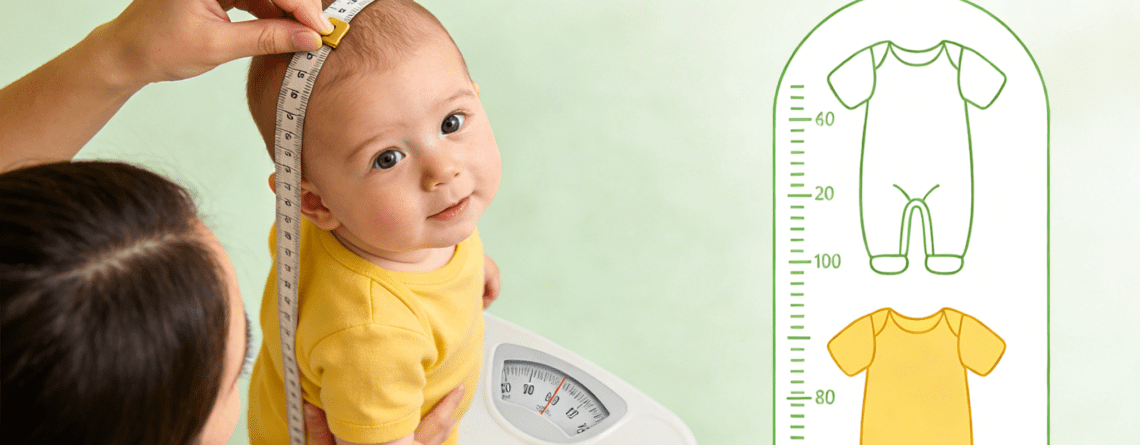
They seem to grow overnight: one week your child fits perfectly into a tiny sweater, the next it’s a snug memory. Picking the right size for fast-growing little ones requires more than guessing between two numbers on a tag – it calls for a blend of observation, measurement, and a few practical strategies that keep clothes pleasant, safe, and useful for longer.
This article will guide you through simple ways to assess current fit, plan for near-future growth, and choose styles and materials that stretch the lifespan of a garment without sacrificing comfort or mobility. You’ll find clear tips on taking speedy measurements, interpreting size charts, allowing for growth spurts, and using adjustable features or hand-me-downs effectively.
Whether you’re stocking a newborn’s wardrobe or refreshing a preschooler’s closet mid-season, the aim is the same: make smart, adaptable choices, so clothes keep up with the child – not the other way around. Read on for straightforward, practical advice that turns sizing from a guessing game into a small, manageable system.
Table of Contents
- Anticipating Growth Spurts and What They Mean for Sizing
- Measure for Comfort, Not Just Length: Key Metrics Every Caregiver Should Know
- Fabrics and Features That Grow With Your Child: Stretch, Adjustability, and easy Alterations
- Budget Wise and Time Smart: secondhand Finds, Swapping, and Capsule Wardrobes
- Practical Rules of Thumb for When to Size Up and When to Wait
- Q&A
- Future Outlook
Anticipating Growth Spurts and What They Mean for Sizing
Kids can shoot up seemingly overnight, so treat sizing like a flexible plan rather than a one-time decision. Favor garments with stretch, adjustable hems and waists, and forgiving silhouettes that let them play and grow. Comfort wins over exact fit-a slightly roomy tee or romper lasts through more adventures than something that fits perfectly today and is too small tomorrow.
Practical habits save time and money:
- Buy one size up for everyday basics-they’ll get the most wear.
- Reserve true-to-size for special outfits or shoes where fit matters.
- Choose adjustable features (elastic waists, rollable cuffs) to extend wear time.
- Measure regularly, track chest, waist, and inseam rather than relying solely on age.
Use this quick reference as a practical starting point while remembering that every child grows on their own timetable.
| Current Size | Suggested Buy | Typical Buffer |
|---|---|---|
| 3-6 months | 6-9 months | +1 size |
| 12-18 months | 18-24 months | +1-2 sizes |
| 2T | 3T | +1 size |
Measure for Comfort , Not Just Length: Key Metrics Every Caregiver Should Know
Little ones change shape as fast as they grow tall, so focus on freedom, not just inches. Pay attention to chest and waist girth for layers and diaper room, inseam and sleeve length for safe movement, and shoulder width to avoid rubbing or slipping. A quick checklist helps when you’re measuring:
- Chest: measure around the fullest part, breathe normally.
- Inseam: measure from crotch to ankle for trousers and rompers.
- Diaper depth: leave extra room for bulky nappies or inserts.
- Arm reach: ensure sleeves don’t ride up when the child raises their hands.
These touchpoints make sure clothes stay comfortable through jumps, stretches, and naps.
Use a soft tape, measure snugly (but not tight), and allow about one finger’s width of extra room for clothing that should move, or 10-20% extra for layered outfits and rapid growth. If a child sits between sizes, choose the larger size for mobility and longevity; if a garment is tight across the shoulders or chest, size up regardless of leg length. Keep an eye out for red marks, restricted breathing, or fabric pulling-those are real-world signals the fit isn’t right. The quick table below gives simple measurement tips and the small allowance to aim for when deciding to size up:
| Metric | How to Measure | Suggested Allowance |
|---|---|---|
| Chest | Around the fullest part, relaxed breath | +1-2 cm (or 10%) |
| Inseam | Crotch to ankle while standing | +1-3 cm for growth |
| Sleeve | from the shoulder tip to the wrist | +1-2 cm |
| Diaper Depth | Front to back rise with diaper on | +1-2 cm (allow bulk) |
Fabrics and Features That Grow With Your Child: Stretch, adjustability, and Easy Alterations
Think beyond the number on the label and favor materials that offer forgiveness: stretchy knits like cotton-spandex blends, jersey, and bamboo knit gently expand with growth spurts while keeping their shape and breathability. Fabrics with natural give reduce the need for frequent size swaps, and finishes such as pre-washing, anti-pilling, and reinforced seams make those garments last through tumble after tumble. Prioritize pieces with functional construction – gentle recovery in the fabric plus smart seam placement equals clothes that look good longer.
When shopping, look for practical details that let a single garment serve multiple stages of childhood:
- Elastic waists with buttonhole elastic – tweak the fit inside the waistband without a seam rip.
- Adjustable straps and cuffs – convert dresses and sleeves as your child grows.
- Snap or zipper gussets – add a little extra length at the crotch or hem when needed.
- Reinforced knees and hems – extend wearability in high-wear zones.
- Convertible hems - roll-and-button cuffs for instant length control.
These features work together to delay the “too small” moment and make clothing more adaptable between hand-me-downs and quick alterations.
| Fabric | typical Stretch | Alteration Ease |
|---|---|---|
| Cotton-Spandex | High | Easy – simple hems, mild reshaping |
| French Terry | Medium | Very easy – great for let-out seams |
| Woven Linen-Cotton | Low | Moderate – requires hemming or panel inserts |
Small DIY tricks - like temporary hem tape, sewing on an extra button to create an internal extender, or adding a fabric panel at a side seam – make easy alterations even easier, stretching a favorite outfit to fit one more season.
Budget Wise and Time Smart: Secondhand Finds, Swapping, and Capsule Wardrobes
When little bodies change by the week, the trick isn’t buying the biggest size on the rack-it’s buying smart. Measure, don’t guess: a quick chest, waist, and height measurement will tell you whether a label’s “12-18m” really fits. Favor fabrics with a bit of give and designs that hide growth, think cuffed hems, adjustable waists, and wrap-fronts that stretch with the child. For capsule pieces, pick neutrals and classic cuts that look intentional, whether they’re slightly roomy or just-right; this stretches your budget and the wardrobe’s useful life.
- Size up wisely: allow 10-20% extra in length for trousers and sleeves, but avoid oversized shoulder seams that look sloppy.
- Look for adjustable details: elastic ties,button-in hems, and foldable cuffs add months of wear.
- Inspect secondhand: check seams, snaps, and underarm wear. Small repairs are cheaper than replacing a whole piece.
- Swap strategically: trade staple items (tees, leggings, jackets) rather than one-off novelty pieces to keep your capsule cohesive.
Below is a simple cheat sheet to help you pick a size that balances immediate fit with near-term growth, perfect for thrifted finds and hand-me-downs.
| Item | Size tip | Growth allowance |
|---|---|---|
| Tee or Bodysuit | Match chest measurement, choose stretchy cotton | 2-4 months |
| Elastic-waist Pants | Size up one; roll hem if long | 3-6 months |
| Jacket / Coat | Room for a layer underneath, adjustable cuffs | 4-8 months |
Practical Rules of Thumb for When to Size Up and When to Wait
Think of sizing like packing for a trip: give room for the journey, but don’t overfill the suitcase. A few practical checks keep the balance between comfort and longevity-no tape measure gymnastics required.
- Two-finger shoulder test: You should be able to slip two fingers under the shoulder seam without the fabric sagging.
- Sleeve and hem timing: if sleeves or pant legs hit the knuckle or drag, it’s time to consider the next size.
- Shoe thumb rule: about 1-1.5 cm (roughly a child’s thumb) of space in front of the longest toe for growth and active play.
- Movement check: if they can’t crouch, climb, or stretch without resistance, size up for mobility and safety.
- Event vs. everyday: for a single special outfit, favor a closer fit; for daily wear, lean toward a little extra room.
| Signs to Choose a Bigger Size | Signs to wait and recheck |
|---|---|
| The seam sits past the shoulder | One tight sleeve , but otherwise fine |
| Restricted movement in play | Just a snug waist with elastic |
| shoe presses on toes during walking | Slight toe touch when standing still |
Rule of thumb: if two or more ”bigger” flags appear, pick the next size; if only one minor issue shows, wait 2-4 weeks and re-measure. Fast growers change the equation quickly, but comfort and safety should lead the choice.
Q&A
Q: Why is sizing for fast-growing little ones different from adult sizing?
A: Children change size frequently and unpredictably. Unlike adults, whose measurements are relatively stable, babies and toddlers can outgrow clothes and shoes in weeks or months, so sizing needs to allow for growth, comfort, and safety rather than a one-time fit.
Q: Should I pick sizes by age on the label or by measurements?
A: Use measurements first. Age labels are vague; different brands and regions interpret “12-18 months” differently. Measure height, chest, waist, hip , and inseam, then compare to the brand’s size chart. If you must use age, choose a larger size if the child is between ages or during a known growth spurt.
Q: How do I measure my child correctly at home?
A: • Height: have the child stand barefoot against a wall; mark the top of the head and measure.
• Chest: measure around the fullest part, under the arms.
• Waist: measure at the narrowest point or where pants normally sit.
•Hips: measure around the fullest part of the bottom.
• Inseam: measure from crotch to ankle while standing.
Do measurements in centimeters and inches, and round up to the nearest half-inch or centimeter when checking charts.
Q: How much “room to grow” should I leave in clothes?
A: For everyday wear, allow about 1-2 inches (2.5-5 cm) of ease for tops and bottoms so the child can move and layer. For outerwear (coats, snowsuits), add extra room for layers, about 2-3 inches (5-8 cm). Avoid buying garments so largethat they drag or present safety hazards.
Q: How often should I check clothes and shoe sizes?
A: Infants: every 4-6 weeks. Young toddlers: every 6-10 weeks. Older toddlers and preschoolers: every 2-4 months. Check shoes more frequently-every 6-8 weeks for infants learning to walk, and every 2-3 months for older toddlers.
Q: How should shoes fit for fast-growing feet?
A: Shoes should fit the width and shape of the foot with about 0.5-1.3 cm (roughly 1/4-1/2 inch) of space beyond the longest toe to allow growth. There should be no slipping at the heel and enough room to wiggle toes. Measure both feet and size for the larger foot.
Q: Is it okay to buy shoes a size up so they’ll last longer?
A: A slight size-up (up to 0.5-1.3 cm) is fine if they still stabilize the foot and don’t cause tripping. Going too large affects gait and can lead to falls. If buying shoes to be used months later, better to wait or buy adjustable styles.
Q: What sizing differences should I expect between brands and countries?
A: Expect variation. Some labels use age, others height (cm), or numeric sizes (EU/UK/US). Always consult the brand’s size chart and convert using measurements. When in doubt, choose the size closest to the child’s height and chest measurements.
Q: How should I size sleepwear and pajamas safely?
A: Choose sizes that fit because flame-retardant sleepwear should be close-fitting. For snug sleepwear, follow size charts exactly; for non-flame-retardant pajamas, consider one size up. Avoid overly long pajamas that create tripping or strangulation risks.
Q: Any tips for dressing for seasons so clothes last longer?
A: Buy seasonally appropriate layers: thinner sizes that can be layered under outerwear, or outerwear sized with room for layers. For unpredictable climates, prioritize adjustable pieces (elastic waists, cuffs, rollable sleeves) that extend usable time.
Q: What about accessories like hats, mittens, helmets?
A: Measure head circumference and compare to manufacturer sizing for hats and helmets. For helmets, follow the fit and safety checks: snug, level, and straps secure. Mittens and gloves should allow a bit of room, but not so much that they slip off.
Q: How do I handle gifts when I don’t know the child’s size?
A: Choose a larger size than the child is now (but not excessively large), or pick adjustable items (wrap blankets, hats, accessories) or season-self-reliant gifts (books, toys). Check the recipient’s return/exchange policy before gifting.
Q: Are hand-me-downs and secondhand clothes a good option?
A: Yes, especially for high-quality items. Check condition (stretch, wear, stains), ensure accurate sizing, and inspect for safety hazards like loose buttons. Secondhand shoes should be replaced if they show wear that affects fit.
Q: When should I size up for diapers and undergarments?
A: Diaper sizing usually follows weight ranges. Switch when leaks are frequent, or the fit looks restrictive. For training pants and underwear, use the child’s measurements and mobility; avoid underwear so large they sag or so tight they’re uncomfortable.
Q: How can I make sizing decisions for a child who is taller or shorter than average?
A: Prioritize height-based sizing for pants (inseam) and tops (chest/torso length). If proportions are unusual, consider separating sizes- a bigger size for tops, smaller for bottoms-or buy brands that offer slim/tall/cropped fits.
Q: Are there smart buys that “grow” with the child?
A: Yes. Look for adjustable waistbands, roll-up cuffs, button-down hems, extendable hems, and stretchy fabrics. Convertible clothing (e.g., pants with snap-off legs) and modular outerwear extend usability.
Q: How many items of each size should I keep on hand?
A: For very young infants, limit the number of clothes per size; buy fewer and wait to see the growth rate. For toddlers, keep a small rotation of current and one size up. Avoid filling storage with too many of one size; kids often outgrow them before they’re used.
Q: Any quick checklist before buying or accepting clothes/shoes?
A: • Measure the child.
• Compare to the brand’s size chart.
• Consider room for growth and layering.
• Check return/exchange policy.
• Inspect seams, stretch, and safety features.• For shoes, measure both feet and check allowance for toe space.
Q: Where can I find reliable size charts or help if I’m confused?
A: Brand websites, retailer size guides, and measuring videos are useful. For footwear, shoe stores can measure and fit. Pediatrician visits frequently enough record current height and weight-use those measurements for sizing.
Q: final quick rule of thumb?
A: Measure first, choose the size that fits the measurements, allow sensible room to grow (not too much), and prioritize safety and mobility over saving a size “for later.” When in doubt, opt for adjustable styles and check fit regularly.
Future outlook
Growing kids change in the blink of an eye, so picking the right size is more about flexibility and observation than perfection. Keep a simple routine: measure regularly, check size charts and fabric stretch, favor adjustable features, and prioritize comfort and mobility for their everyday adventures. Look for brands with generous return policies, mix new with hand-me-downs or gently used pieces, and resist the urge to size up too far “just in case”-a better fit now keeps them safe and comfortable, and saves money in the long run. Above all, remember that clothes should enable play, not restrict it. With a few measurements, a bit of planning, and an openness to swap or resell as they grow, you’ll build a small wardrobe that fits both the child and your schedule. Try one or two of these tips this week-measure, compare, and choose-and you’ll likely find the sweet spot between fit and future growth without the stress.




Leave a Reply