
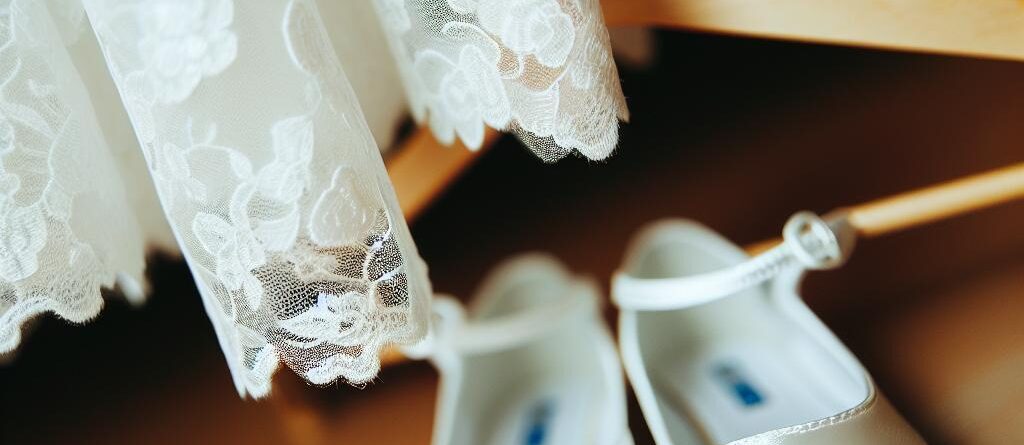
White fabric has long been a quiet storyteller at the heart of baptismal rites - a small garment that carries family history, religious meaning, and changing ideas about childhood. From layers of hand-stitched lace that have traveled down generations to pared-back silhouettes in breathable linens and organic cotton, the baptism dress traces a line between ritual and style. Its evolution reveals not only shifting aesthetics but also broader changes in craftsmanship, social values, and how families mark rites of passage.
This article follows that thread, moving through the ornate detail and symbolism of customary lace gowns into the restrained clarity of modern minimalism. Along the way, we’ll consider materials and construction, the allure of heirlooms versus the appeal of simplicity, and how contemporary concerns – comfort , sustainability , gender expressio, and personalization – are reshaping what a baptismal dress can be. Whether you’re researching a family heirloom or choosing a modern piece, the journey from lace to minimalism offers a lens on how clothing embodies memory, faith, and identity.
Table of Contents
- Traditional Lace and Heirloom Details: How to Preserve sentiment While Updating Fit and fabric
- Modern minimalism and Clean Lines: Choosing Silhouettes, Fabrics, and Colors for a Contemporary Baptism Dress
- Practical Considerations for Comfort and Season: Fabric Weight, Sleeve Length and Layering Recommendations
- Styling and Accessories That Complement Vintage Lace or Minimalist Dresses: Veils, Sashes, and Footwear Tips
- Care, Alterations, and Budget-Friendly Solutions: Maintaining, Customizing, and Finding Quality within Your Price Range
- Q&A
- Key Takeaways
Traditional Lace and Heirloom Details: How to Preserve Sentiment While Updating Fit and Fabric
Keeping the soul of a cherished gown while refreshing its silhouette is a gentle balancing act: preserve the moments stitched into the fabric without letting heavy ornamentation overwhelm a modern, pared-back look. Consider keeping key motifs – a scalloped collar, a band of floral appliqué, or a central medallion – and reworking everything else in lighter, contemporary materials like silk voile or organic cotton lawn. For fragile pieces, professional conservation before any alteration is essential; once stabilized, delicate lace can be hand‑tacked as an overlay, used to edge a new hem, or repurposed into a keepsake bib or bonnet so the original details remain part of the celebration without dictating the entire dress.
- Removable overlay: lace mounted over a minimalist sheath for both tradition and versatility
- Framed motifs: cut and mount favorite lace sections into a christening shadowbox or heirloom pillow
- Modern underdress: soft silk or cotton base that improves comfort and fit while showcasing vintage trims
- Digital archive: scan lace patterns before altering, so reproductions can be made later
| Heirloom Feature | Modern Treatment |
|---|---|
| Scalloped Collar | Illusion neckline with lace trim |
| Heavy Lace skirt | Light skirt with lace hem panel |
| Hand‑stitched Appliqués | Preserved as a keepsake or sewn onto a sash |
| mother’s Buttons | Hidden closure with button detail retained |
Labeling each altered piece with notes on provenance, cleaning instructions, and the child’s name/date ensures the story travels with the updated garment – a small, practical ritual that keeps sentiment intact even as fabrics and fits evolve.

Modern Minimalism and clean Lines: Choosing Silhouettes, Fabrics, and Colors for a Contemporary Baptism Dress
Contemporary baptism dresses favor a less-is-more approach: think sculptural silhouettes with clean seams, uncluttered necklines, and subtle shaping that flatters without fussy ornament. Choose an A-line or sheath silhouette for a timeless profile, a gentle empire for softness, or a bias-cut slip for fluid movement. Minimal details – a bateau neck, narrow cap sleeves, or a low scoop back - let the fabric speak. Palette choices lean toward warm ivories, soft alabaster, and muted blushes; these tones preserve the ceremonial feel while keeping the overall look unmistakably modern.
- A-line: classic, forgiving, pairs with structured fabrics
- Sheath: streamlined, modern, favors silk crepe or mikado
- Bias-cut slip: fluid, elegant, best in satin or Tencel
- Empire: dreamy and soft, works with lightweight linens and cotton-silk blends
Fabric choice is everything – pick materials with natural drape and a soft hand to keep the aesthetic calm and refined. Practical touches - a fully lined bodice, hidden zippers, or mother-of-pearl buttons – maintain simplicity without sacrificing comfort. If you want a nod to tradition, introduce a single lace cuff or a delicate hem trim rather than heavy overlays; tiny, tone-on-tone accents preserve the minimalist intent while honoring heritage.
| Fabric | Feel | Best For |
|---|---|---|
| silk crepe | Matte, fluid | Sheath, A-line |
| Mikado | Structured, slight sheen | Structured A-line, clean pleats |
| Tencel/satin | Soft, drapey | Bias-cut, slip styles |
Practical Considerations for Comfort and Season: Fabric Weight, Sleeve Length, and Layering Recommendations
Think of the dress fabric as the first promise of comfort – a whisper against the skin that must suit the season. For summer ceremonies, opt for airy linens, lightweight cotton blends or silk crepes with a soft lining so delicate lace doesn’t irritate. Cooler months call for dresses with a bit more body: satin blends, duchess satin or a lined tulle give structure and warmth without feeling heavy. Always prioritize a soft inner lining and flat seams around the neckline and armholes to prevent chafing during long services and photos.
- Light (50-120 gsm): ideal for hot weather; breathable and floaty.
- Medium (120-220 gsm): versatile for spring/autumn; holds shape with comfort.
- Heavy (220+ gsm): best for winter; structured and warm, use sparingly for very young children.
Sleeve choices and clever layering are your secret tools for comfort and style. Short or cap sleeves and detachable flutter sleeves feel airy and look delicate for traditional lace or minimalist silhouettes alike. Long sleeves – either slim silk or sheer lace with a soft lining – offer modesty and warmth without bulk. For adaptability, include removable elements: a bolero, a soft knit cardigan, or a velvet sash that can be taken off after the ceremony. Consider adding a lightweight petticoat for volume without heat, and a thin camisole under sleeveless designs for extra warmth when needed.
| Season | Sleeve Suggestion | Layering Tip |
|---|---|---|
| Summer | Cap/Short or detachable flutter | Light cotton lining, no petticoat |
| Spring/Autumn | Three-quarter or sheer lace | Thin bolero or silk camisole |
| Winter | Long sleeve with soft lining | Velvet bolero and warm lining |
Styling and Accessories That Complement Vintage Lace or Minimalist Dresses: Veils, Sashes , and Footwear Tips
Veils, sashes, and footwear are the whispering details that finish a baptism look - for a vintage lace gown, think heirloom touches: a scalloped lace-edged veil, a silk sash with a tiny hand-stitched rosette, and soft leather Mary Janes with a suede sole for quiet steps. For minimalist dresses, select clean lines and understated textures: a single-layer silk tulle blusher, a narrow grosgrain or satin ribbon in a tonal shade, and streamlined ballet flats or tiny patent-leather pumps. Keep proportions gentle-avoid oversized bows or chunky heels-and prioritize comfort so the day feels as light as the dress.
- Vintage lace: scalloped veil, beaded satin sash, cushioned Mary Janes.
- Minimalist: single-layer tulle, slim satin ribbon, sleek ballet flats.
- Global tips: small pearl studs, detachable sashes for photos, and non-slip soles.
| Style | Best Veil | Sash | Footwear |
|---|---|---|---|
| Traditional Lace | Scalloped lace blusher | Beaded satin sash | Soft leather Mary Janes |
| Modern Minimalist | Single-layer silk tulle | Slim grosgrain ribbon | Streamlined ballet flats |
When in doubt, match the dress’s language: ornate details deserve delicate, traditional accessories; clean silhouettes pair best with minimal, high-quality pieces. Small, removable accents (a clip-on bow, a temporary sash) let you blend tradition and modernity for photos and playtime alike.

Care, Alterations, and Budget-Friendly Solutions: Maintaining, Customizing, and Finding Quality Within Your Price Range
Lace heirlooms and pared-back minimalist gowns ask for different kinds of attention, but the goal is the same: preserve the moment without letting maintenance overshadow it. For delicate Chantilly or Alençon lace, use a gentle detergent and spot-clean with cool water, blotting rather than rubbing; avoid the dryer and choose steam or a low-heat iron under a cloth to smooth creases. Modern fabrics like crepe and mikado tolerate light steaming and are less likely to yellow, so store them in breathable garment bags away from sunlight. If the dress carries sentimental value, consider acid-free tissue and a cotton-lined box for long-term storage, and consult a professional tailor or conservator for stubborn stains or structural repairs.
Budget-smart customization lives at the intersection of creativity and practicality: rent or buy gently used for designer styles, patch or add a modest lining to sheer pieces, or convert a full-length gown into a keepsake skirt. Small alterations-shortening a hem, adding discreet snaps for comfort, or replacing a sash-can transform an off-the-rack find without a big bill. Try these fast options:
- Rent: low cost, designer access, little upkeep
- Upcycle: reuse lace or trim from older garments to add personality
- Simple alterations: hems, linings, and detachable sleeves save time and money
| Option | Typical Cost | Turnaround |
|---|---|---|
| Rent | Low | Same-day-1 week |
| Buy New | Medium-High | 1-6 weeks |
| Alter/Upcycle | Low-Medium | 3 days-2 weeks |
Q&A
Q: What is the story behind the classic white lace baptism dress?
A: The white lace baptism dress traces its roots to religious symbolism and Victorian fashion – white for purity and new life, lace for delicate craftsmanship and formality. Over generations, it became an heirloom item, often sewn by relatives or passed down to mark continuity within families and communities.
Q: How would you describe “modern minimalism” in baptism attire?
A: Modern minimalism favors clean lines, subdued details, and high-quality fabrics rather than elaborate embellishment. Think simple silhouettes, subtle textures, and an emphasis on comfort and timelessness rather than ornate decoration.
Q: How did the transition from ornate to minimalist styles happen?
A: Changes in social attitudes, fashion cycles, and practical needs drove the shift. As lifestyles became more casual and tastes leaned toward understated elegance, designers began interpreting ceremonial wear with restrained aesthetics while preserving symbolic elements like white or ivory tones.
Q: Are there specific fabrics that suit traditional and modern styles?
A: Traditional styles frequently enough use lace, tulle, satin, and fine cotton, while modern minimalist dresses lean toward silk, crepe, linen blends, and soft organic cottons. Quality and breathability matter in both cases, especially for infants who need comfortable,non-irritating materials.
Q: How should parents choose between tradition and minimalism?
A: Start with what matters most: family customs, the formality of the ceremony, practical comfort, and personal taste. Consider the setting and photos, whether an heirloom connection exists, and how often the outfit might be reused or preserved.
Q: What role do accessories play in these two styles?
A: In traditional looks, ribbons, bonnets, and intricate veils complement the lace and embroidery. In minimalist outfits, accessories are sparing – a simple headband, soft booties, or a single keepsake pin can complete the ensemble without overpowering it.
Q: Is white the only acceptable color for baptism dresses?
A: White remains the most common and widely recognized color due to its symbolic meaning, but soft ivories, creams, and muted pastels are also used in some families and cultures. The choice can reflect religious tradition, family preference, or aesthetic intent.
Q: How do cultural variations influence baptism attire?
A: Cultural and denominational traditions greatly shape attire – some communities favor long, flowing gowns and elaborate headpieces, while others prefer shorter dresses or family-specific colors and patterns. It’s common to blend cultural motifs with contemporary design elements for a personalized look.
Q: Can baptism dresses be gender-neutral or suited for non-binary children?
A: Yes. Minimalist designs and simple gowns in neutral tones make it easy to choose attire that feels inclusive. Families can opt for streamlined silhouettes and avoid gendered embellishments to honor identity and comfort.
Q: What should you consider when buying versus renting or borrowing a baptism dress?
A: Buying is ideal if you want an heirloom, frequent reuse, or custom fit; renting or borrowing is cost-effective and practical for one-off use. Consider budget, sentimental value, fit, and hygiene when deciding which route to take.
Q: How far in advance should a baptism dress be ordered or prepared?
A: Order or finalize selections at least 2-3 months before the ceremony to allow for sizing changes, custom alterations, and any shipping delays. If working with an heirloom piece, give extra time for cleaning and potential repairs.
Q: What are tips for caring for and preserving a baptism dress?
A: Clean the dress promptly according to fabric care instructions – often gentle hand wash or professional cleaning – then store it in acid-free tissue and a breathable container away from light and humidity. For heirlooms, document provenance and consider archival preservation services for long-term care.
Q: How can families balance tradition with sustainability?
A: Choose organic or recycled fabrics, support ethical makers, buy secondhand, or repurpose family garments to reduce waste. Minimalist designs that are versatile and made to last also align with sustainable values.
Q: Are there practical considerations for baby comfort during the ceremony?
A: Prioritize soft seams, breathable fabrics, and easy diaper access. Avoid heavy layers if the venue is warm, and bring a change of clothes for after the ceremony to keep the child comfortable.
Q: How do photographers approach traditional versus minimalist dresses?
A: traditional dresses with detailed lace and texture photograph beautifully in close-up and soft, romantic lighting, while minimalist gowns lend themselves to crisp, clean compositions and a focus on silhouette. Either style can create striking images; communicate your vision to the photographer so they can plan lighting and framing accordingly.
Key Takeaways
Whether edged in heirloom lace or pared down to a single, graceful seam, the baptism dress remains a textile of meaning – a quiet vessel for ritual, memory, and style. The journey from ornate embroidery to modern minimalism traces changing tastes and values as much as it charts advances in materials and craft. Each choice – lace that whispers of generations past or a streamlined silhouette that speaks to contemporary sensibilities – carries with it a different way of marking a beginning.
Designs will continue to shift as families, designers, and communities rethink what matters: sustainability, personalization, affordability, or fidelity to tradition. The best choice is the one that reflects the occasion and the people it honors, whether that means preserving a cherished gown or commissioning a piece that feels new and simple.A baptism dress is less about fashion and more about meaning: a small garment that holds big moments. From traditional lace to modern minimalism, its evolution is a reminder that ceremony and style evolve together - and that beauty frequently enough lies where personal history meets present-day intention.






Leave a Reply