

Dressing a baby is a small daily ritual that blends practicality with a kind of quiet joy: the tiny sleeves, the soft snaps, the way a little outfit can make a sleepy face light up. Yet behind the cuteness lies a real challenge for caregivers: how to select clothes that keep a baby cozy through naps, playtime, and diaper changes while still reflecting a bit of style.
This article explores that balance. We’ll look beyond cute prints and Instagram-ready ensembles to the fabrics, fits, and features that matter most for a baby’s comfort and safety, alongside simple styling tips that make outfits both functional and attractive. Whether you’re building a first wardrobe or trying to simplify laundry day, you’ll find practical guidance for choosing pieces that are gentle on delicate skin, easy to use, and pleasing to the eye.
Read on for a thoughtful, straightforward approach to creating a baby wardrobe that works for everyday life, because comfort and style don’t have to be mutually exclusive, especially when tiny humans are involved.
Table of Contents
- Fabric First: Choosing Organic Cotton, Bamboo, and Merino for breathable, Sensitive Skin
- Fit and Flexibility: Stretchy Seams, Room for Growth , and Clothes That Move With Baby
- Fastenings and Practical Details That Save Time: Snaps, Zippers with Guards, and Fold-Over Cuffs for Easy Diaper Changes
- Style That Works Everyday: Mix and Match Colorways, Patterns, and Statement Pieces for Photos and Playdates
- Seasonal Layering and Safety: Breathable Layers, Sun Protection Fabrics, and Warmth Without Bulk
- Q&A
- To sum up
Fabric First: Choosing Organic Cotton, Bamboo, and Merino for Breathable, Sensitive Skin
When dressing your little one, favor natural fibers that breathe, stretch, and soothe. Organic cotton feels gentle and familiar, perfect for everyday rompers and sleepwear; bamboo offers silky softness and excellent moisture-wicking for humid days; and merino wool gives lightweight warmth and natural odor resistance without itch when finely spun. These materials minimize irritation and help regulate temperature so a baby can stay comfortable whether napping or exploring.
- Softness: Cushions delicate skin.
- Breathability: Prevents overheating.
- Moisture control: Keeps skin dry.
- Easy care: Durable and machine-friendly options exist.
Mix and match: use breathable layers (bamboo base, cotton mid-layer, merino wrap) to adapt to room temperature and diaper changes. Look for garments with flat seams, gentle dyes, and stretch for movement. Simple care tips-wash in cool water, avoid harsh detergents, and reshape items while damp-will keep fabrics soft longer, preserving both comfort and style.
| Fabric | Breathability | Best For | Care |
|---|---|---|---|
| Organic Cotton | High | Everyday wear | Cold wash, tumble low |
| Bamboo | Very high | Warm climates, layering | Delicate wash, air dry |
| Merino | moderate | Cool nights, outings | Wool cycle, dry flat |
Fit and Flexibility: Stretchy seams, Room for growth, and Clothes That Move With Baby
Think of baby clothes like a tiny accordion: they should expand and compress with every wobble, stretch, and snuggle. Fabrics with natural give, such as cotton blends with a touch of elastane or bamboo knits, let seams breathe and move rather than digging in. Look for garments with reinforced, stretchy seams at the shoulders, crotch, and sleeve lines so the outfit follows the body’s motion rather than fighting it. Details such as ribbed cuffs, soft gussets, and low-pressure waistbands keep a neat silhouette while allowing room for sudden growth spurts and the thousand positions a baby finds comfortable.
Practical style comes from smart construction as much as pretty prints. Choose pieces with subtle stretch, adjustable closures, and a forgiving cut to keep outfits wearable longer without sacrificing a tailored look. Here are a few quick cues to watch for when shopping:
- Stretch points: elastic seams at the shoulders and crotch prevent pulling when the baby reaches or kicks.
- Room to grow: Slightly roomy cuts and rollable cuffs add months of use without looking sloppy.
- Functional details: expandable waistbands, snap plackets , and adjustable hems make dressing and changing easy.
| feature | Why it helps |
|---|---|
| Stretchy seams | Move with the body, reduce seam stress |
| Gusseted areas | Better range of motion for crawling and kicking |
| Adjustable waistband | Extends wear as the baby grows |
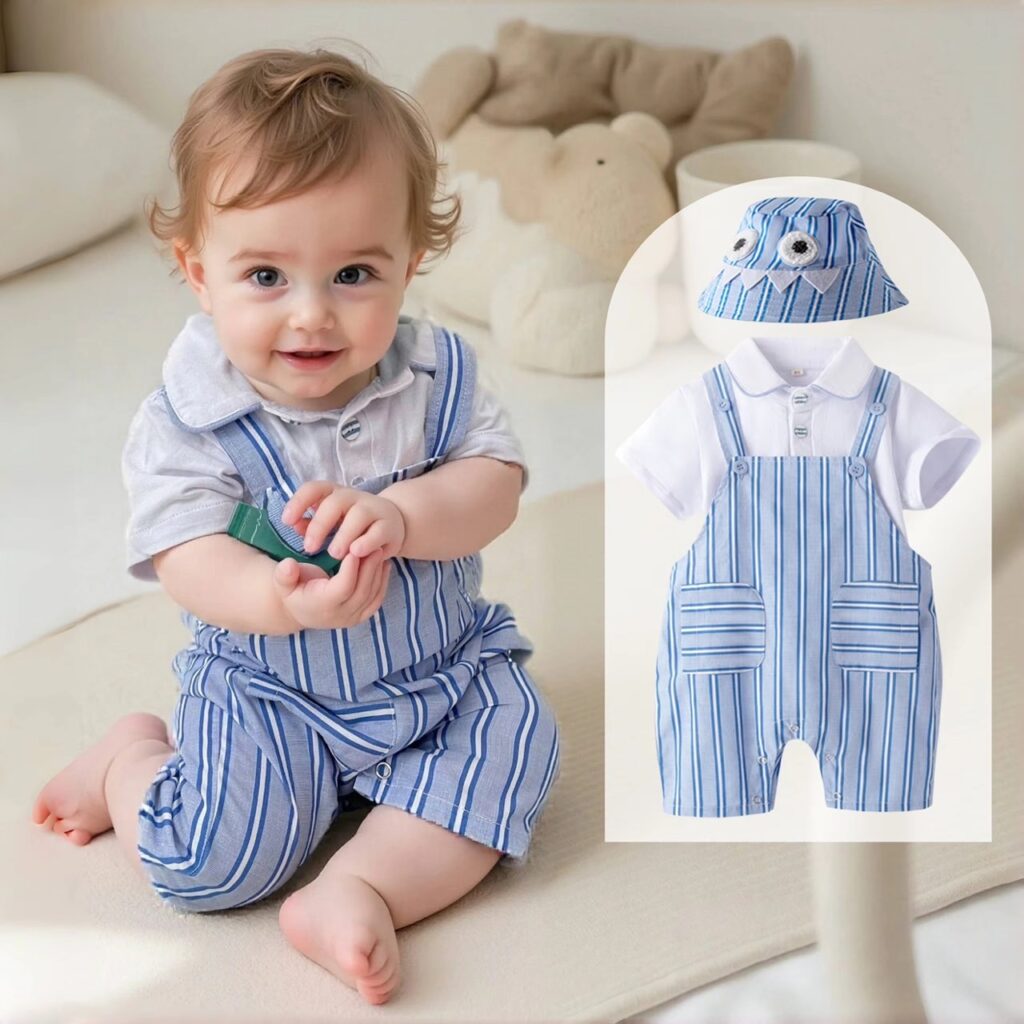
Fastenings and Practical details That Save time: snaps, Zippers with Guards and fold-over cuffs for Easy Diaper Changes
Small details make a big difference when dressing a squirmy newborn: choose fastenings that let you finish changes with one-handed ease and minimal fuss. Classic bottom snaps are gentle on delicate skin and let you open only what’s needed; two-way zippers with a soft zipper guard protect chins and tummies while allowing swift top-to-bottom access; and fold-over cuffs at sleeves and ankles keep tiny fingers tucked in and make outfit transitions during night feeds effortless. Prioritize smooth edges, reinforced stitching around closures, and fabrics that won’t snag or irritate when pulled.
Style doesn’t have to be sacrificed for speed. Look for garments with hidden or color-matched closures for a clean, modern look, and choose snaps or zippers that blend with prints or trims so practical pieces still read as stylish. Avoid bulky hardware and long toggles that could catch; rather, opt for low-profile snaps, covered zips, and clever design touches like faux plackets or decorative piping that conceal functional elements while keeping the outfit photogenic.
- Bottom snaps: dependable, easy to align, great for rompers.
- Two-way zippers: fastest for middle-of-the-night changes; use with a guard.
- Fold-over cuffs: multi-purpose-keep toes warm and make diaper access neater.
- Elastic waists with small snaps: flexible and forgiving as babies grow.
| Fastening | speed | Skin-friendly | Style-flex |
|---|---|---|---|
| Snaps | Fast | High | High (discreet) |
| Two-way zipper | Very fast | Medium (use guard) | Moderate (sleek) |
| Fold-over cuffs | Quick | High | High (versatile) |
Style That Works Every Day: Mix and match Colorways, Patterns, and Statement Pieces for photos and Playdates
Choose pieces that feel as soft as a hug and look as photogenic as a mini-portrait. Prioritize natural, breathable fabrics like cotton and bamboo blends, gentle seams, and roomy cuts that let little limbs kick and curl. Think in palettes-not single outfits-so you can mix and match solids, subtle prints, and one or two statement pieces (a tiny denim jacket, a knitted beanie, or a graphic romper) that pop in photos without restricting play. Small details-flat seams, covered snaps, and wide neck openings-make the difference between stylish and scratchy.
- Fabric: soft, washable, and stretchy for movement.
- Fit: slightly roomy with elastic cuffs rather than tight bands.
- Fastenings: front snaps or zippers make changes quick.
- Patterns: mix a solid base with one playful print to avoid visual clutter.
- Statement piece: one standout accessory keeps the outfit fun and photo-ready.
- Care: machine washable and colorfast for repeated wear.
| Item | Why it works | Best for |
|---|---|---|
| Stretchy romper | Easy diaper changes, comfy for naps | Everyday play |
| Neutral knit cardigan | Layers without bulk, photo-friendly | Cool mornings & outings |
| Bold accessory | Adds personality without fuss | Snapshots & meetups |
Seasonal Layering and Safety: Breathable Layers, Sun Protection Fabrics, and Warmth Without Bulk
Think of dressing your baby like painting with light, movable strokes: start with a soft, close-to-skin base that breathes, add a thin warming middle, and finish with a weather-ready shell you can whip off when needed. Choose natural and technical blends – organic cotton for softness, bamboo for moisture control, and lightweight merino or microfleece for insulating without weight. Keep closures simple and safe: zippers with chin guards, covered snaps, and no long ties or loose fastenings that can tangle. Smart extras to stash in the diaper bag include:
- Thin cotton or bamboo onesies for moisture-wicking next-to-skin comfort
- Lightweight zip-up cardigans for quick on/off temperature control
- Packable windproof shells that fold small but block drafts
For sunny days and cool evenings, fabrics that block UV and trap tiny air pockets are your best friends - look for UPF-rated knits and breathable sunwear designed for babies. Balance sun protection with airflow: wide-brim hats, soft neck flaps, and long-sleeve swimsuits protect skin without suffocating it. When warmth is needed, think layering geometry rather than bulk; a snug thermal bodysuit plus a thin fleece layer keeps heat close to the body without restricting movement. A quick reference:
| fabric | Best for | Why it works |
|---|---|---|
| Organic cotton | Everyday base layers | Soft, breathable, gentle on skin |
| Merino | Warmth without bulk | Natural temperature regulation |
| UPF synthetics | Sun outfits | Blocks UV, quick-dry |
Q&A
Q: What’s the easiest way to balance comfort and style for baby clothes?
A: Think of baby clothes as a tiny wardrobe toolkit: start with soft, breathable basics (cotton, muslin, bamboo) for comfort, then add one or two stylish pieces, like a patterned cardigan or a cute romper. Prioritize fabrics and fastenings that make dressing and diaper changes easy; style should enhance, not hinder, practicality.
Q: Which fabrics are best for baby skin?
A: Natural, breathable fibers are best: organic cotton, bamboo blends, and muslin are gentle and wick moisture. Avoid rough synthetics against newborn skin; if synthetic blends are used for stretch or durability, look for high-quality, breathable mixes and test for irritation.
Q: How do I choose the right size?
A: Choose for fit and function. Clothes should allow movement without being too loose (to avoid bunching or covering the face). Buying one size up is smart for fast-growing babies, but avoid items that swallow them-very oversized necklines or long sleeves can be unsafe.
Q: What closures are most parent-friendly?
A: Snaps and zippers that open from the bottom are lifesavers for diaper changes; envelope or expandable necklines are ideal for newborns. Avoid too many buttons or fiddly fasteners, especially on pieces used daily.
Q: How many of each item should I buy?
A: Depends on laundry frequency and age, but a simple starter guide: 6-8 bodysuits, 4-6 sleepers, 3-5 pairs of pants/leggings, 2-4 sweaters/cards for layering, and a couple of special outfits. Adjust for messiness, season, and whether you use cloth diapers.
Q: Are there fabrics or features I should avoid for safety?
A: Yes-avoid loose ribbons, large decorative buttons, and long drawstrings. For sleepwear, follow flame-resistant guidelines: snug-fitting sleep clothing is safer than loose nightgowns. Check labels for small parts and adhere to age recommendations.
Q: How do I dress a baby stylishly but appropriately for the weather?
A: Layering is the key. Use a breathable base layer, an insulating mid-layer (fleece or knit), and a wind/rainproof outer layer as needed. Remove or add layers when moving between indoors and outdoors to keep the temperature steady and maintain the outfit’s look.
Q: What about prints and colors-should I choose trendy patterns?
A: Trendy prints are fun, but classic neutrals and coordinating colors make mix-and-match easier and reduce laundry stress. A few bold prints or statement pieces can add personality without sacrificing versatility.
Q: How can I keep clothes soft and safe after washing?
A: Wash new clothes before first wear with a mild, fragrance-free detergent. Avoid fabric softeners that can irritate sensitive skin and reduce absorbency. Wash on a gentle cycle and tumble dry low or air-dry to preserve shape and prints.
Q: How do I choose shoes and accessories for babies?
A: For pre-walkers, soft booties or socks are fine for warmth; structured shoes aren’t necessary. Once walking, choose flexible, breathable shoes with non-slip soles. For accessories like hats or bows, ensure they fit well and don’t pose a choking or strangulation risk. Remove them for sleep and unattended time.
Q: Can stylish baby clothes be sustainable?
A: Absolutely. Look for organic materials, ethically made brands, and secondhand or upcycled pieces. Invest in durable basics that can be handed down and avoid ultra-fast-fashion items that won’t last through repeats and washings.
Q: How should I approach special-occasion outfits?
A: Start with a comfortable base (a soft onesie or romper) and layer a dressy outer piece-light jacket, cardigan, or tasteful romper overlay. Ensure seams, waistbands, and embellishments won’t irritate; ideally, pick an outfit that allows easy diaper access.
Q: How do I handle sensitive or allergic skin?
A: Choose organic or hypoallergenic fabrics, avoid harsh dyes and fragrances, and wash new items before use. If irritation occurs, remove suspect garments and consult a pediatrician or dermatologist for guidance.
Q: Is it worth buying gender-specific clothes?
A: Not necessary-gender-neutral styles increase reusability and make hand-me-downs easier. If you prefer gendered items, limit them to a few special pieces and keep your core wardrobe gender-neutral for flexibility.
Q: Any quick shopping checklist I can use?
A: Yes-look for: soft breathable fabric; easy fastenings (snaps/zip); correct size with room to move; safe construction (no loose parts); easy-care labels; and at least one stylish piece that coordinates with basics.
Q: How do I maintain style as the baby grows fast?
A: Embrace mix-and-match and a capsule approach: a few neutral basics, one or two patterned pieces per outfit, and accessories that change the look. Donate or pass on what no longer fits and rotate seasonal items to keep the wardrobe fresh without overspending.
In Conclusion
As you tuck these tips into your parenting toolkit, remember the goal is simple: keep little bodies comfortable and little wardrobes joyful. Choose soft, breathable fabrics, practical fastenings, and sizes that allow movement, then add a few stylish touches-patterns, textures, or one-loved accessory-to make everyday dressing feel fun rather than fussy. Think of a baby’s closet as a small, well-edited collection: versatile pieces that mix and match, are easy to wash, and put safety first. With a few thoughtful choices and a relaxed attitude, you’ll find the balance between comfort and style that suits both your baby and your routine. Now go ahead-pick one outfit that feels right, and enjoy the small ritual of dressing the tiny person who will outgrow it all too soon.




Leave a Reply